Series
The Alternative Architecture
The current rural health model fails by design. Series 14 constructs a ten-component alternative built for rural realities: virtual-first delivery making professional location irrelevant, AI filling absent services, service centers at a fraction of hospital cost, and ownership structures converting public investment into community assets rather than shareholder returns. Whether the conditions required to implement it can be assembled before 2030 is the question Series 15 and 16 must answer.

RHTP-14.PRE
The Case for a Different System
Why Optimization Cannot Succeed and What Could Replace It
Thirteen series establish one conclusion: the problems are architectural. Optimization cannot fix a design premised on rural areas needing a smaller version of urban healthcare. …
RHTP-14.01
The Inverse Hub
When Expertise Travels to Patients
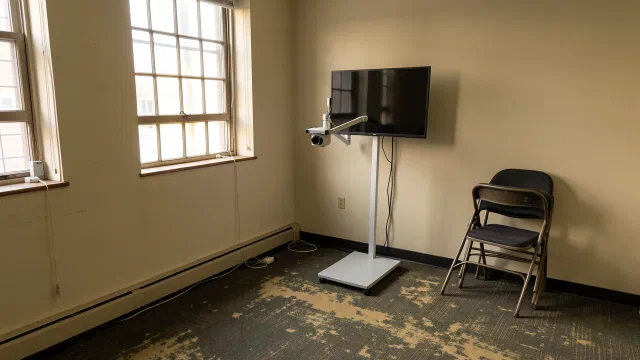
The inverse hub stops pretending professionals will relocate and builds infrastructure that makes their location irrelevant. Virtual-first delivery, 2,000-square-foot footprint, …

RHTP-14.02
AI as Infrastructure
Companions, Services, and Coordination
Rural America needs AI that provides services currently absent, not AI that makes marginal services marginally better. Continuous companion presence for isolated elders, legal and …
RHTP-14.03
The Local Workforce
Careers That Stay When Professionals Leave
When the Critical Access Hospital closes, 150 jobs disappear. The alternative workforce model generates 48 to 88 full-time equivalent positions per 10,000 residents that survive …
RHTP-14.04
The Service Center
2,000 Square Feet, Not 20,000
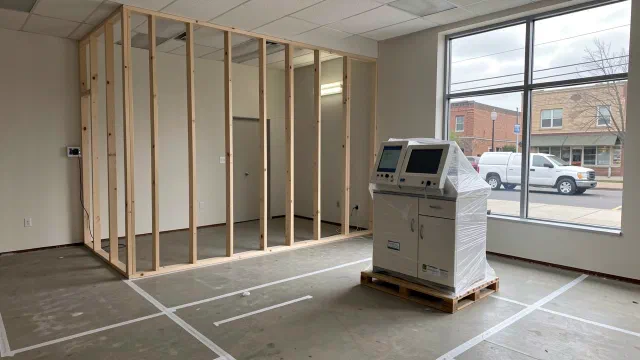
A community of 5,000 cannot sustain a hospital requiring $10 million in annual revenue. It can sustain a service center requiring $600,000 to $900,000. Four configurations scale …

RHTP-14.05
State Sovereign Investment
Patient Capital for Transformation That Federal Grants Cannot Provide
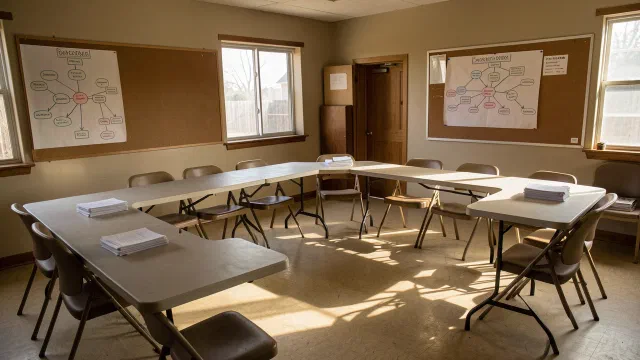
Federal grants operate on three-to-five-year cycles. Rural broadband networks require fifteen-to-twenty-five-year amortization. That mismatch is a capital structure problem, not a …
RHTP-14.06
Governance Models
Who Controls Rural Health Systems
RAND found that rural hospitals joining health systems experienced reduced access. The pattern is consistent: communities bear consequences of governance decisions made without …
RHTP-14.07
Tribal Demonstration
Sovereignty as Regulatory Laboratory
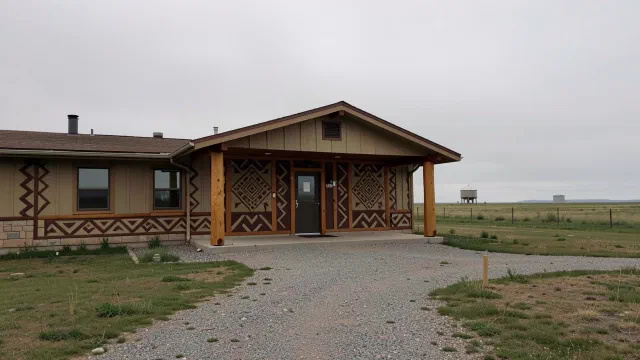
Components of the alternative architecture that state-regulated healthcare cannot adopt for years can be implemented on tribal lands tomorrow. Tribal nations have operated dental …

RHTP-14.08
Social Care Infrastructure
When Health and Social Needs Integrate
The physician identifies food insecurity in 15 minutes. She cannot spend three hours navigating the SNAP application. Social care infrastructure embeds CHW navigators, AI …

RHTP-14.09
Community Ownership Models
Who Captures Value From Transformation
AI coordinates care whether owned by Google or a platform cooperative. The difference is who captures surplus, who controls assets at dissolution, and who decides when to close. …

RHTP-14.10
Supplemental Capital Mobilization
When Philanthropy Funds What Markets Won't
Philanthropic capital de-risks what public investment cannot yet fund. CHW cooperative formation, platform cooperative technology, community land trust acquisition: none attract …