The Safety Net
Health emerges from conditions, not care. Food security, stable housing, adequate heating, and income stability produce health outcomes that healthcare delivery systems cannot replicate. The Rural Health Transformation Program invests in delivery systems while federal policy cuts the programs that create health in the first place.
This article examines the contradiction between health system investment and health determinant destruction. RHTP funds care coordination, chronic disease management, and community health workers. These interventions assume patients have food to eat, homes to sleep in, and utilities that keep them alive through winter. Simultaneous cuts to SNAP, housing assistance, and LIHEAP remove those assumptions for millions of rural residents.
The analytical question is not whether safety net cuts harm health (they do) but whether transformation investments can offset that harm (they cannot). A perfectly functioning rural health system cannot compensate for hunger, homelessness, and hypothermia. States planning transformation without accounting for safety net erosion are building treatment capacity for conditions policy is creating.
SNAP: Feeding Programs Under Assault#
James is 58, lives alone in rural eastern Oregon, and has not worked steady employment since the timber mill closed fifteen years ago. He survives on occasional odd jobs, his brother’s generosity, and $234 monthly in SNAP benefits that buy groceries at the one store within driving distance. Under work requirements taking effect February 1, 2026, he must document 80 hours monthly of work or qualifying activity to maintain benefits.
James represents over one million older adults aged 55 to 64 projected to lose food assistance under the One Big Beautiful Bill Act’s SNAP provisions. The legislation reduced federal SNAP funding by $186 billion through 2034, the largest cut to food assistance in American history. But the funding reduction operates through eligibility constriction: work requirements that remove people from programs.
SNAP work requirements now extend through age 64, up from previous limits that capped at 54. Exemptions previously available for homeless individuals, veterans, and young adults aging out of foster care have been eliminated. The geographic waivers that allowed areas with high unemployment to suspend time limits now require unemployment rates exceeding 10%, a threshold few areas meet. States that previously received statewide waivers (California, Illinois, Nevada, the District of Columbia) must terminate them.
Rural communities bear concentrated exposure. One in seven rural families relies on SNAP to purchase food. The average rural SNAP household receives approximately $300 monthly, money that flows directly into local grocery stores and economies. SNAP benefits generate $1.80 in local economic activity per dollar distributed. Cutting SNAP cuts rural economies alongside nutrition.
The implementation timeline creates chaos. States received 30 days’ notice to terminate existing waivers. California estimates 359,000 people may lose benefits when its waiver ends. Oregon expects over 313,000 people affected by the changes. Illinois projects that ABAWDs (Able-Bodied Adults Without Dependents) who have not met requirements by May 2026 will lose benefits.
The work requirement logic assumes rural residents can find 80 hours monthly of employment, training, or community service. This assumption fails rural labor markets. Transportation to jobs that exist requires vehicles rural residents often cannot afford. Childcare that would enable work attendance has declined steadily since 2017. Rural older adults living with dependent grandchildren face particular barriers: they must work to receive benefits but cannot access work because they provide care that paid services do not offer.
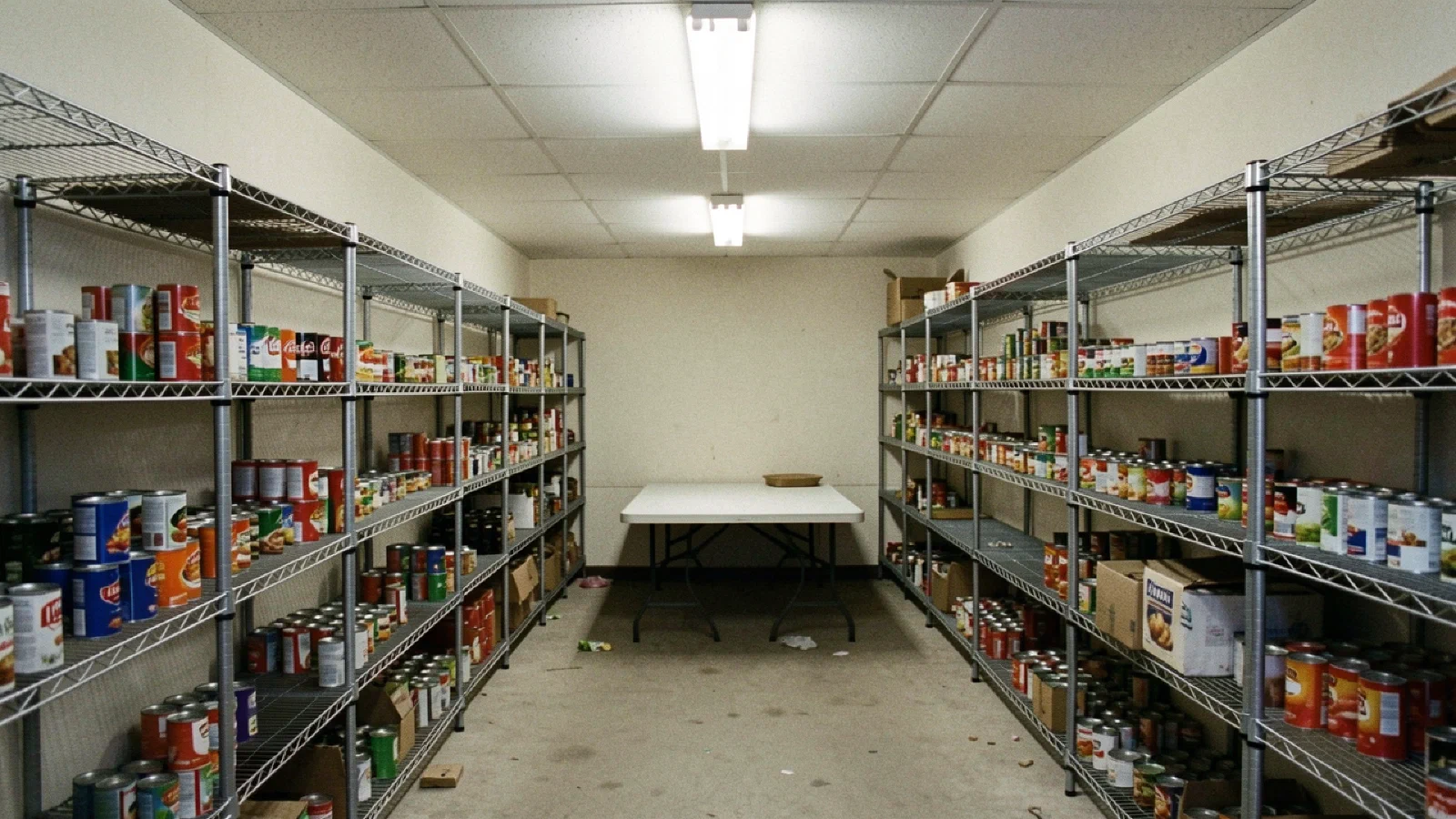
Food banks anticipate demand surges they cannot meet. Feeding America projects 30% or higher increases in food bank utilization within months of implementation. Rural food banks operate with smaller donor bases and longer supply chains than urban counterparts. A 30% demand increase may exceed capacity to serve, leaving people without either SNAP benefits or emergency food alternatives.
Housing: Shelter Under Siege#
The FY2026 budget proposal sought to reduce HUD funding by 44% compared to FY2025. While Congress has not enacted cuts at that level, the proposal signals administrative priorities and shapes what communities can expect. Specific eliminations include rural housing vouchers, single-family direct loans, housing preservation grants, and mutual self-help housing grants. The programs eliminated serve precisely the rural populations RHTP targets.
USDA rural housing programs face $721 million in proposed cuts. The rationale offered claims programs are “duplicative, too small to have a macro-economic impact, costly to deliver, in limited demand, available through the private sector, or conceived as temporary.” Each justification misunderstands rural housing reality. Private sector alternatives do not exist in communities where market rents cannot support construction costs. Programs are small relative to national housing need but essential to the communities they serve.
The HOME and Community Development Block Grant programs face zeroing out. CDBG provides flexible funding that rural communities use for housing rehabilitation, infrastructure, and economic development. Eliminating the program removes tools communities use to maintain housing stock that private markets will not finance. HOME funds affordable housing construction and rehabilitation; its elimination ends federal support for adding affordable units in areas where construction otherwise does not occur.
Housing instability produces health consequences that health systems cannot reverse. Homelessness correlates with chronic disease exacerbation, mental health deterioration, and substance use. Housing insecurity short of homelessness (frequent moves, overcrowding, cost burden) disrupts medication regimens, prevents chronic disease management, and undermines the stability that health improvement requires.
Martha coordinates care for a rural hospital in West Virginia. Her patients include elderly residents whose housing has deteriorated beyond safe habitation: roofs leaking into bedrooms, heating systems that cannot warm homes to safe temperatures, stairs that mobility-impaired residents cannot safely navigate. She refers them to programs that repair homes, programs now proposed for elimination. Without housing remediation, her care coordination efforts produce limited results. Patients stabilized in hospital return to homes that make them sick again.
Energy: LIHEAP Elimination#
The administration proposed eliminating the Low Income Home Energy Assistance Program entirely. LIHEAP helps households afford heating in winter and cooling in summer, preventing the deaths that occur when utility costs exceed ability to pay. Rural households face higher energy costs due to older housing stock, longer distances from energy infrastructure, and reliance on propane or heating oil that cost more than natural gas available to urban residents.
The elimination rationale treats energy assistance as duplicative or unnecessary. But LIHEAP serves populations with no alternatives. Elderly residents on fixed incomes cannot reduce heating costs by improving housing insulation they cannot afford. Families choosing between food and fuel make choices that harm health regardless of which they choose. The “weatherization” programs that theoretically reduce energy need through efficiency improvements are also proposed for elimination.
Rural areas face temperature extremes that make energy assistance life-or-death. Summer heat in the rural South kills more people than hurricanes. Winter cold in the rural North kills more people than floods. Utility shutoffs during extreme temperatures produce deaths that health systems count but cannot prevent. A rural hospital treating hypothermia or heat stroke is treating policy failure. RHTP’s transformation investments cannot address policy-created health emergencies.
The Determinants Logic#
RHTP invests in Social Determinants of Health (SDOH) screening and Health-Related Social Needs (HRSN) intervention. States propose using transformation funds to identify food insecurity, housing instability, and utility burden, then connecting patients to resources that address those needs. This represents thoughtful transformation design. It also assumes resources exist.
Screening identifies needs that referral networks cannot meet. If SNAP work requirements remove food assistance, no referral connects patients to food they can receive. If housing programs are eliminated, no coordination produces housing that does not exist. If LIHEAP ends, no intervention pays heating bills that cannot be paid.
The technical document 3-TD-E examined which states have robust SDOH/HRSN infrastructure and which plan to build it. The analysis matters for understanding transformation capacity. But capacity to screen and refer only matters if referral destinations exist. States that build sophisticated SDOH screening systems while federal policy eliminates the programs those systems refer to have built infrastructure that documents problems without solving them.
Consider the community health worker model that multiple states propose. CHWs connect patients to resources, navigate benefit systems, and address social needs that clinical systems miss. Their value depends on resources to connect patients with. A CHW who screens for food insecurity, identifies a patient in need, and refers to SNAP learns that work requirements disqualified the patient. A CHW who identifies housing instability and refers to assistance programs learns the programs are eliminated. The CHW model transforms when resources exist. When resources are eliminated, the model documents failure.
This is not an argument against SDOH investment. Addressing social determinants improves health more effectively than clinical intervention alone. The argument is that SDOH investment cannot succeed when the social programs addressing determinants are simultaneously destroyed. States must understand transformation as occurring within policy contexts that transformation cannot control.
Alternative Perspectives and Assessment#
Defenders of safety net restructuring offer several arguments that deserve engagement.
Work requirements promote self-sufficiency and reduce dependency. This argument assumes work availability and ignores disability. Rural labor markets offer fewer jobs than workers seeking them. Older adults aged 55 to 64 face age discrimination and health limitations that restrict employment options. The self-sufficiency frame applies individual responsibility logic to structural labor market failure.
Arkansas SNAP work requirements from 2016 provide evidence. Enrollees subject to requirements did not increase employment at rates exceeding control groups. They lost benefits, experienced food insecurity, but did not become self-sufficient. The work requirement functioned as a benefit reduction mechanism, not an employment program. Medicaid work requirement evidence points the same direction.
States know their populations better than federal programs and should have flexibility. This argument for block grants and devolution sounds reasonable until applied to capacity. Rural states often have the weakest administrative capacity, smallest tax bases, and most limited service infrastructure. Devolution to states with least capacity means service reduction disguised as flexibility. Block grants that reduce federal commitment while increasing state discretion produce benefit cuts where political will or capacity for benefit maintenance is weakest.
Federal programs should be sustainable within fiscal limits. Fiscal sustainability arguments have validity; programs must eventually be paid for. But the sustainability calculation should include downstream costs. SNAP cuts increase emergency food bank utilization, food insecurity-related health costs, and economic contraction in communities that lose SNAP spending. Housing cuts increase homelessness, which increases emergency room utilization, incarceration costs, and mortality. LIHEAP cuts increase utility-related deaths and hospitalizations. Programs that prevent costs are cheaper than allowing the costs to occur.
The honest assessment: safety net cuts will increase food insecurity, housing instability, and energy burden in rural communities. These increases will worsen health outcomes that RHTP seeks to improve. Transformation investments cannot offset determinant deterioration. States that plan transformation without accounting for safety net erosion will watch outcomes deteriorate despite intervention.
Interaction With Coverage Erosion#
Article 12A examined coverage erosion through Medicaid unwinding and work requirements. Safety net cuts compound coverage loss through multiple pathways.
Food insecurity worsens chronic disease outcomes. Patients with diabetes who cannot afford food cannot manage blood glucose through dietary control. Patients with hypertension who rely on high-sodium processed food because fresh food is unavailable or unaffordable cannot achieve blood pressure control. Losing SNAP makes managing conditions harder; losing Medicaid makes treating uncontrolled conditions impossible.
Housing instability disrupts care continuity. Patients who move frequently miss appointments, lose medications, and fall out of care coordination systems. Patients without stable addresses cannot receive mail that Medicaid redetermination requires. Housing instability produces Medicaid procedural disenrollment by making paperwork completion impossible.
Energy burden forces tradeoffs with healthcare. Households paying 15% or more of income on utilities must reduce spending elsewhere. Medication fills get skipped. Appointments get missed because transportation costs compete with heating costs. Energy assistance is healthcare infrastructure; its elimination undermines healthcare access.
The convergence analysis in Article 12E examines how multiple policy changes interact. The preview: interaction effects exceed additive expectations. A patient losing Medicaid and SNAP and housing assistance simultaneously faces multiplicative barriers that single-program approaches cannot address.
What Transformation Cannot Fix#
RHTP funds care coordination, workforce development, telehealth expansion, and delivery system improvement. These investments address real problems in rural healthcare. They do not address food availability, housing stock, energy costs, or income adequacy. Transformation operates within determinant contexts; it cannot substitute for determinant programs.
States can build magnificent care coordination systems. Those systems will fail patients whose social needs cannot be met because programs meeting them no longer exist. States can train community health workers in SDOH screening. Those workers will document needs they cannot address. States can expand telehealth to increase access. Access matters less when patients cannot manage conditions because food, housing, and utility security have collapsed.
The honest guidance for state transformation planning: acknowledge what transformation cannot accomplish. Build clinical capacity within realistic social determinant scenarios. Invest in safety-net provider sustainability rather than assuming coverage and determinant programs persist. Prepare for populations with unmet social needs that referral networks cannot address.
This is not defeatism. Transformation investments produce value even in deteriorating contexts. Care coordination for patients who retain coverage improves their outcomes. Workforce development that retains providers maintains access for patients who can access it. Telehealth that reduces transportation burden helps patients who have coverage that pays for services.
But planning that assumes favorable social determinant scenarios will produce implementation failure. The policy earthquake includes determinant programs alongside coverage programs. Transformation planning must account for both.
Conclusion#
Health systems treat conditions that social determinants create. Cutting social programs while investing in health systems invests in addressing symptoms while creating disease. SNAP cuts create food insecurity that produces malnutrition and chronic disease exacerbation. Housing cuts create instability that produces injury, mental health deterioration, and care discontinuity. LIHEAP elimination creates utility burden that produces hypothermia, heat stroke, and impossible tradeoffs between survival necessities.
RHTP cannot offset these effects. The $50 billion transformation investment addresses delivery system capacity, not social program adequacy. States that acknowledge this limitation can plan transformation accordingly: investing in sustainability rather than expansion, building sliding-fee capacity rather than assuming coverage, preparing for populations with unmet needs rather than assuming referral networks function.
Article 12C examines Medicare payment changes that threaten rural provider viability. Coverage erosion and safety net cuts create patient-side problems; Medicare changes create provider-side problems. The combination attacks rural health from both directions simultaneously.
How this article connects to others in Blue Gray Matters.
Sources cited in this article.
- Center on Budget and Policy Priorities. "Many Low-Income People Will Soon Begin to Lose Food Assistance Under Republican Megabill." CBPP, September 10, 2025.
- Food Research and Action Center. "The Role of SNAP in Rural Communities." FRAC, 2024.
- Kaiser Family Foundation. "SNAP Benefits in 2026: What Older Adults Should Expect From Work Requirements." Think Global Health, January 2026.
- Stateline. "Veterans, Rural Residents, Older Adults May Lose Food Stamps Due to Trump Work Requirements." Pew Charitable Trusts, October 21, 2025.
- Oregon Department of Human Services. "ODHS Announces Federal Changes to SNAP So Thousands of Oregonians Impacted Can Prepare." ODHS Newsroom, October 2025.
- National Low Income Housing Coalition. "President Trump Releases 'Skinny' Budget Request Foreshadowing Historic Cuts to HUD in Full FY26 Request." NLIHC, May 2, 2025.
- Housing Assistance Council. "HUD Funding Bills Approved by Committees in House and Senate." HAC, August 1, 2025.
- Bipartisan Policy Center. "President Trump's FY2026 Budget: Overview of Changes to Federal Housing Programs." BPC, November 5, 2025.
- National Alliance to End Homelessness. "The President's FY2026 Budget Proposal: Potential Impacts on Efforts to Prevent and End Homelessness." NAEH, June 17, 2025.
- Center on Budget and Policy Priorities. "Congress Must Act to Prevent Cuts That Would Leave Hundreds of Thousands at High Risk of Homelessness." CBPP, December 17, 2025.
- Congressional Budget Office. "Budgetary Effects of H.R. 1, the One Big Beautiful Bill Act." CBO, August 2025.
- American Enterprise Institute. "Major Changes Coming to SNAP in 2026." AEI, January 2026.