Series
Regional Deep Dives
Rural health challenges do not stop at state lines. Central Appalachia spans five states with one opioid crisis. The Mississippi Delta spans three with one maternal mortality crisis. Tribal lands cross thirty-six states with treaty rights that state administration cannot appropriately mediate. RHTP funds arrive through 50 separate state allocations for regions that have never organized themselves by jurisdiction. This series examined 18 of those regions and found the same structural finding in nearly every one: the region coheres; the governance does not.
RHTP-10.01
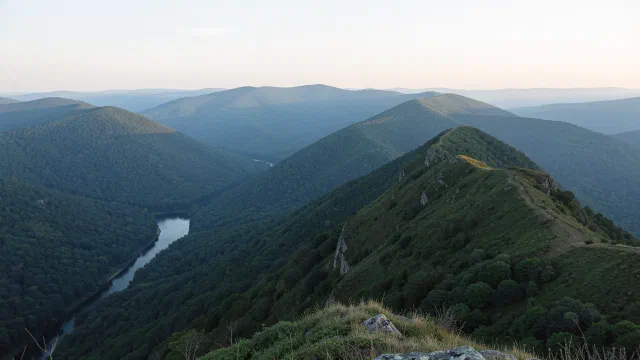
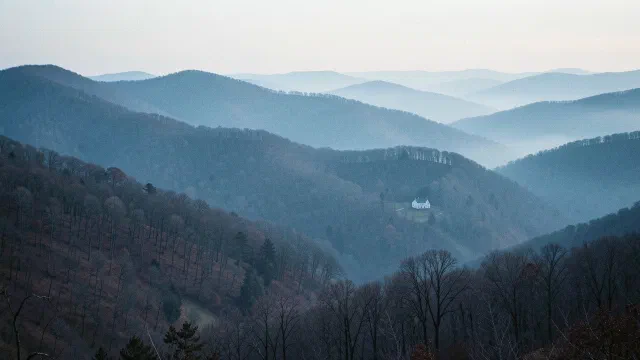
The Appalachian Mountains
Thirteen States, One Region, No Governance
RHTP funds arrive in 13 separate state allocations for a region that the opioid crisis, the extraction history, and the workforce shortage treat as one. The Appalachian Regional …

RHTP-10.02
The Ozark Mountains
Hidden Appalachia Without the Federal Attention
The Ozarks share nearly every characteristic that defines Appalachian crisis and receive none of Appalachia's 60 years of federal attention. Four separate state RHTP …
RHTP-10.03
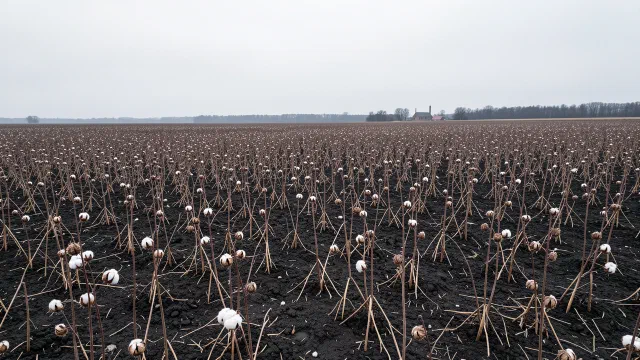
The Black Belt
Plantation Legacy and the Mathematics of Extraction
The Black Belt's health outcomes reflect 400 years of plantation extraction, and RHTP operates on a five-year timeline. States without Medicaid expansion are investing in …
RHTP-10.04
The Mississippi Delta
America's Health Crisis Epicenter
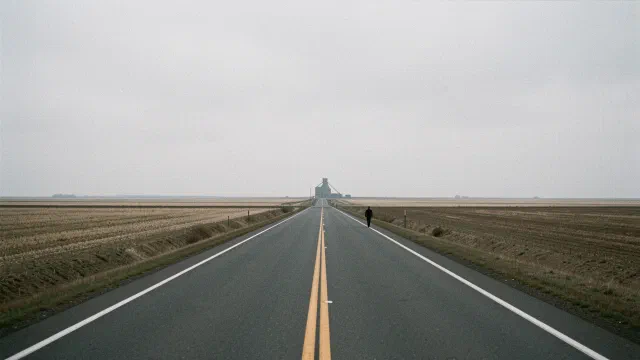
Life expectancy in some Delta counties falls below 70 years. The core crisis zone spans three states with three separate RHTP applications and no coordination requirement. If …

RHTP-10.05
The Piney Woods
Invisible Region, Visible Crisis
The Piney Woods house 3 million people experiencing health outcomes among the worst in their respective states, and no federal designation exists to recognize them as a region. …
RHTP-10.06
The Great Plains
Extreme Distance, Extreme Depopulation
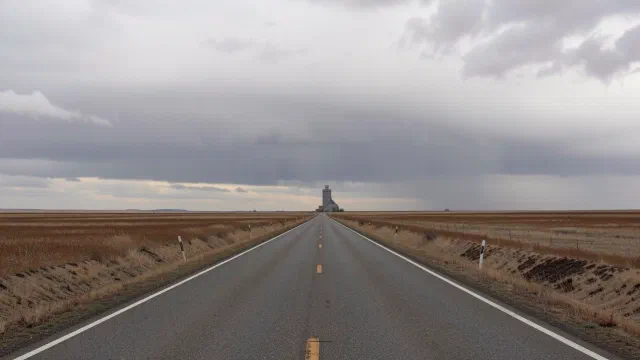
Population density falls below six people per square mile across much of the Great Plains, and some counties have lost more than 60 percent of their peak population. Place-based …
RHTP-10.07
The High Plains
Aquifer Depletion and Healthcare Sustainability
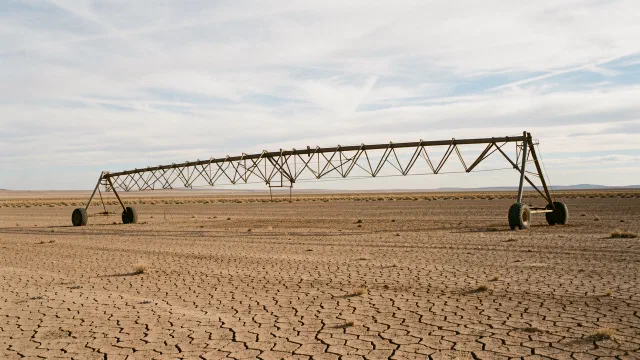
The Ogallala Aquifer recharges less than one inch annually while irrigation extracts feet per year. Southwest Kansas water levels fell 1.52 feet in 2024 alone. RHTP runs through …
RHTP-10.08
The Upland South
Tobacco Country in Transition
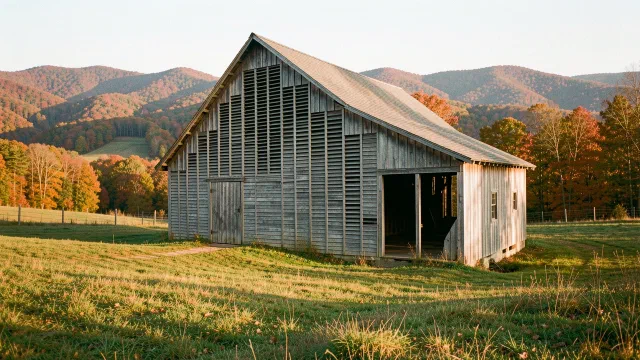
A fifth-generation tobacco farmer with diabetes and no insurance will not sign up for a government program he associates with the decline of everything his family built. The Upland …
RHTP-10.09
The Intermountain West
Federal Land and the Allocation Question
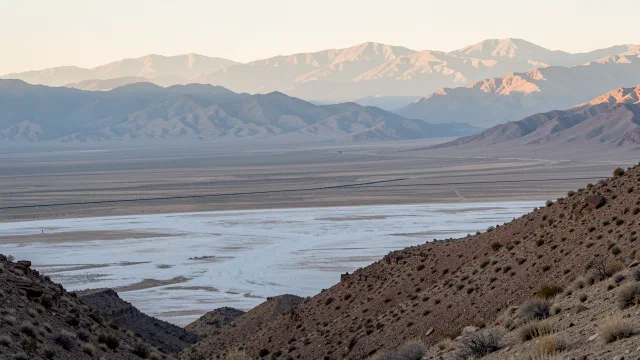
Nevada, Utah, and Arizona share basin-and-range geography where the federal government owns more land than private owners, tribal nations constitute significant population centers, …
RHTP-10.10
The Rocky Mountain West
Amenity Bifurcation and the Two-Region Problem
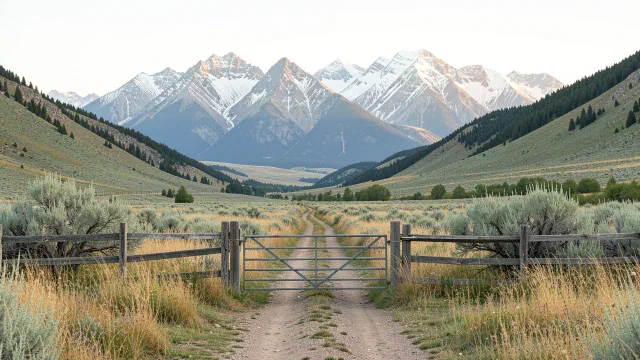
The Rocky Mountain West contains two regions: ski resort communities with well-staffed facilities and resource communities forty miles away that cannot recruit a physician at any …
RHTP-10.11
The Upper Midwest
Manufacturing Decline and Agricultural Aging
Wisconsin had 50,000 dairy farms in 1970 and 6,000 in 2025. The average dairy farmer is 58. The average rural family physician is not much younger. Both occupations struggle to …
RHTP-10.12
Northern New England
Aging in the Woods
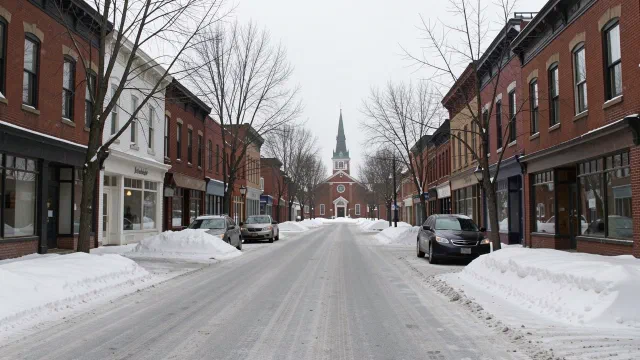
Maine is the oldest state in the nation, with nearly one in four residents over 65 and median ages approaching 50 in many communities. Half of Maine counties have no obstetric …
RHTP-10.13
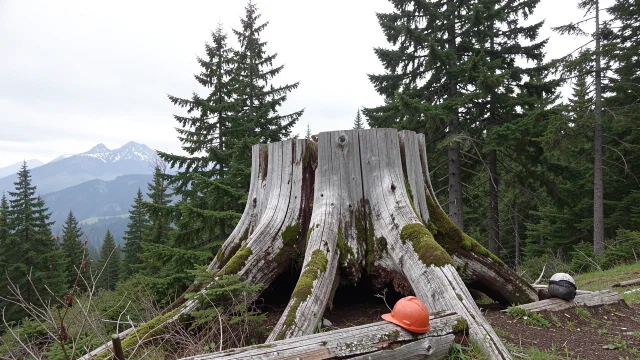
Pacific Northwest Timber Country
Collapse and Reinvention: When History Becomes Present
The spotted owl decision triggered economic collapse in communities that timber had sustained for a century. Thirty-five years later, median household incomes remain below $30,000 …
RHTP-10.14
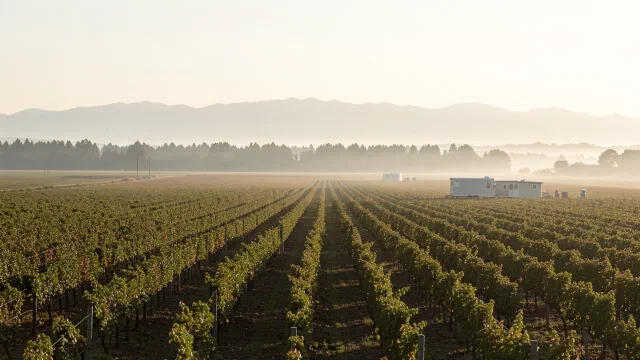
The Pacific Interior
California's Other Rural Realities: Farmworkers, Forests, and Forgotten Places
California's $233.6 million RHTP award must deploy across a Central Valley with 800,000 farmworkers facing heat illness and pesticide exposure and a northern region where distances …
RHTP-10.15
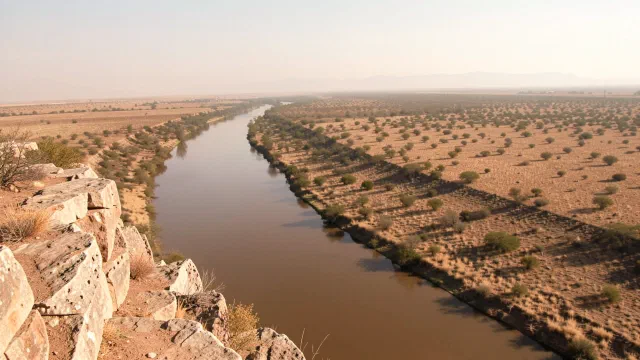
The Texas-Mexico Border and Colonias
Binational Reality, Domestic Policy: When Boundaries Cannot Contain Health
The Rio Grande divides one health region into two nations. Disease crosses the river; healthcare policy stops at it. Four hundred thousand Texans living in colonias lack running …
RHTP-10.16
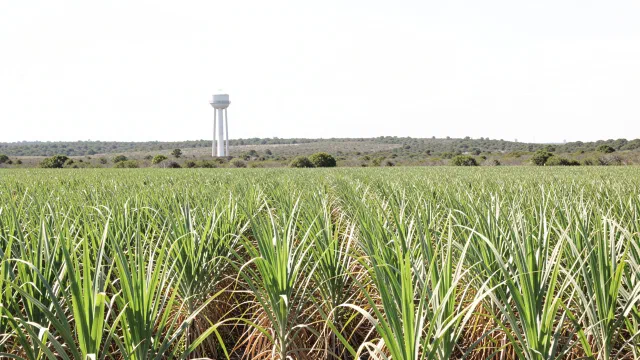
Florida Rural
The Tourism State's Invisible Interior
Florida's $101 billion tourism economy renders its rural interior and panhandle invisible in state policy discourse. Poverty rates exceed 25 percent in multiple counties. …
RHTP-10.17
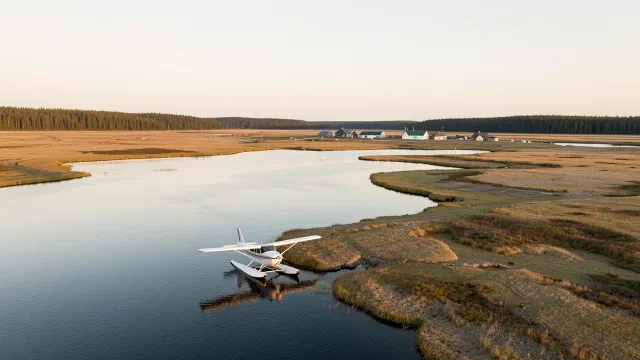
Alaska
Where Distance Becomes Destiny
Bethel, Alaska, is 400 miles from the nearest road and serves a region the size of Oregon. A medevac flight to Anchorage costs $50,000 to $150,000. The Community Health Aide …
RHTP-10.18
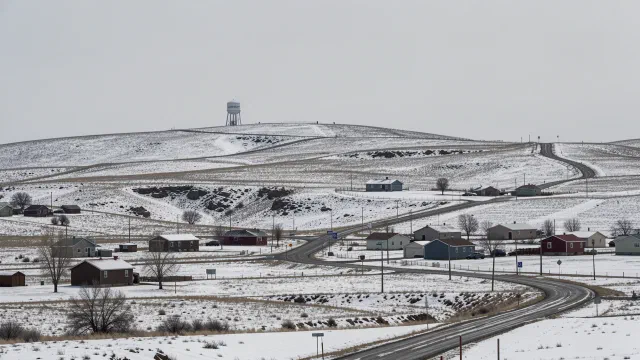
Tribal Lands
Sovereignty, Treaties, and the Limits of State Administration
The Navajo Nation spans 27,413 square miles across three states and received no direct RHTP allocation. RHTP flows through states because federal health policy flows through states …