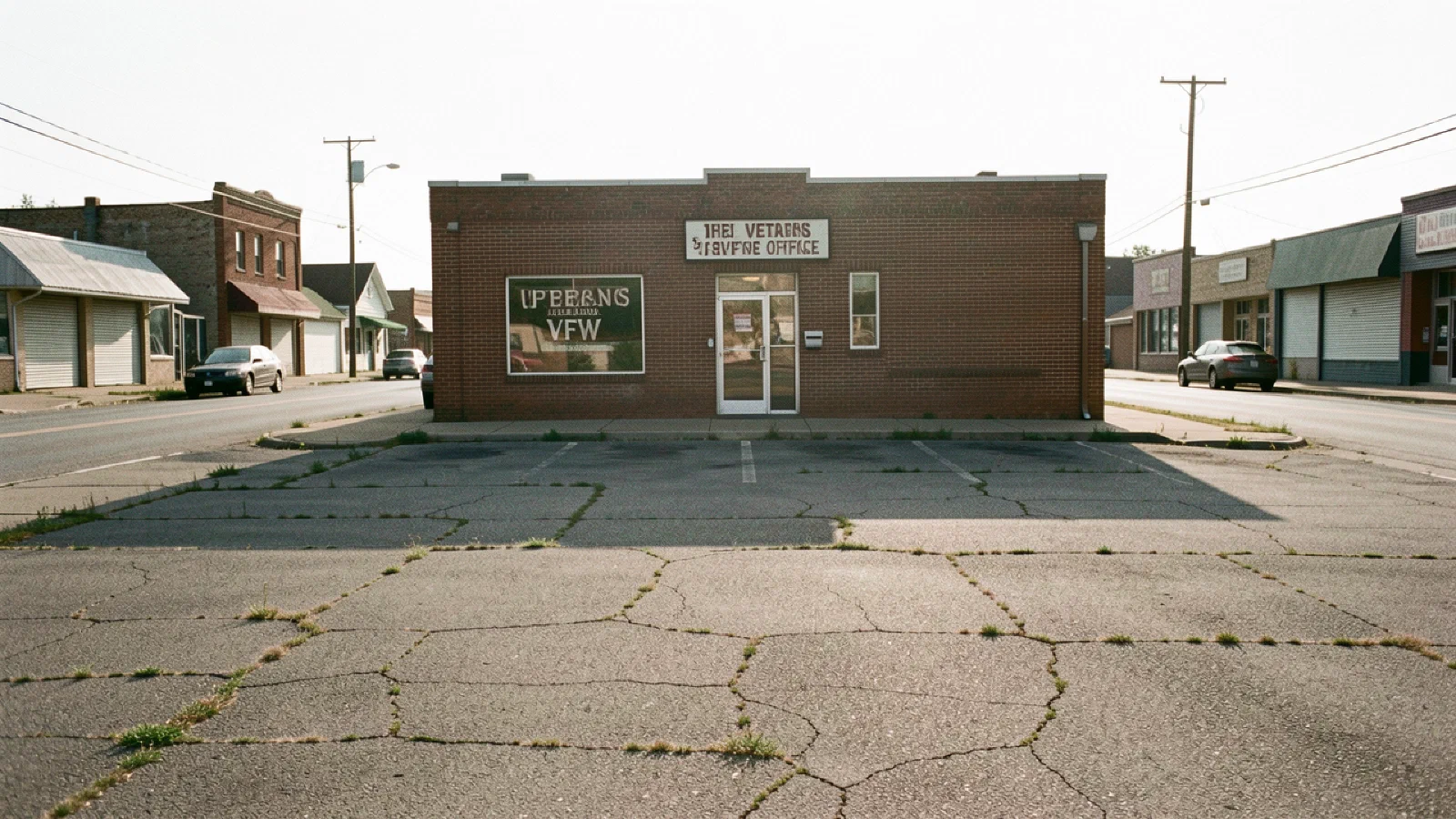
Rural Veterans
Service, Systems, and the Gap Between
Nearly 4.7 million veterans live in rural America. They served their country in Vietnam, the Gulf War, Iraq, Afghanistan, and peacetime deployments across the globe. They earned healthcare through that service. The Department of Veterans Affairs promises to deliver it. But VA facilities concentrate in cities, and the promise does not reach the places where rural veterans live.
RHTP operates through state health systems. VA operates through a federal system independent of states. When a veteran in rural Montana needs care for service-connected PTSD and Agent Orange exposure, the VA system that understands his conditions is 150 miles away. The local rural hospital is 20 miles away but knows nothing about military trauma. RHTP can strengthen that rural hospital. RHTP cannot make it understand what this veteran experienced.
The tension rural veterans face is not about eligibility but about geography. They have earned healthcare. They cannot access it without choosing between systems that understand them and systems that are close enough to reach.
Population Profile#
Definition and Scale
The Department of Veterans Affairs defines rural veterans using Rural-Urban Commuting Area (RUCA) codes. By this classification, approximately 4.7 million veterans (26% of all veterans) live in rural areas. Of the approximately 9.1 million veterans enrolled in VA healthcare, about 2.7 million (30%) live in rural communities.
Veterans are not evenly distributed across rural America:
| State | Rural Veterans | % of State Veterans | VA Facilities |
|---|---|---|---|
| Texas | 312,000 | 18% | 5 VAMCs |
| Florida | 195,000 | 13% | 8 VAMCs |
| Pennsylvania | 142,000 | 18% | 6 VAMCs |
| North Carolina | 138,000 | 19% | 4 VAMCs |
| Ohio | 125,000 | 16% | 4 VAMCs |
| Georgia | 121,000 | 17% | 3 VAMCs |
| Tennessee | 98,000 | 20% | 4 VAMCs |
| Virginia | 94,000 | 15% | 3 VAMCs |
States with large veteran populations have multiple VA Medical Centers, but those facilities concentrate in metropolitan areas. Rural counties may have Community Based Outpatient Clinics (CBOCs), but CBOCs provide limited services compared to full VAMCs.
Demographic Characteristics
Rural veterans are older on average than both urban veterans and the general rural population. The median age of rural veterans exceeds 60. Vietnam-era veterans constitute a substantial portion, bringing Agent Orange exposure, PTSD from that conflict, and the aging-related conditions that compound service-connected disabilities.
Post-9/11 veterans are younger but face different challenges. PACT Act expansion has made millions of Gulf War and post-9/11 veterans eligible for VA healthcare based on toxic exposure presumptions. Burn pit exposure, particulate matter, and chemical hazards during deployments in Iraq and Afghanistan produce respiratory conditions, cancers, and other illnesses that manifest years after service.
Service-connected disabilities are more common among veterans who seek VA care than among veterans generally. Rural veterans accessing VA have higher rates of PTSD, traumatic brain injury, musculoskeletal conditions from physical demands of service, and hearing loss from weapons fire and equipment noise.
Economic status varies. Many rural veterans are retired and rely on VA healthcare as their primary or sole coverage. Others work in agriculture, manufacturing, and trades where employer-sponsored insurance may be limited. Veterans often have multiple coverage sources: VA, Medicare, Medicaid, and private insurance may all apply depending on service-connection status and income.
Health Status and Access#
Outcome Disparities
| Measure | Rural Veterans | Urban Veterans | Gap | Source |
|---|---|---|---|---|
| Suicide rate | 32.4/100,000 | 22.1/100,000 | +47% | VA |
| Mental health treatment | 42% | 51% | -9pp | VA |
| Drive time to VAMC | 75+ minutes | 25 minutes | +200% | VA |
| Specialty care wait | 34 days | 28 days | +21% | VA |
| Diabetes control (A1C <9) | 71% | 76% | -5pp | VA |
| Preventive care completion | 68% | 74% | -6pp | VA |
| Opioid prescriptions | Higher | Lower | Variable | VA |
| Telehealth utilization | 31% | 24% | +7pp | VA |
Rural veterans show higher suicide rates than urban veterans, a disparity driven by access to lethal means (firearms), isolation, and reduced access to mental health services. The rural veteran suicide crisis represents one of the most urgent challenges in veteran health.
Access Barriers
Distance to VA facilities is the defining barrier. Only 64% of rural veterans live within 40 miles of a VA healthcare facility. Many live 100+ miles from the nearest VAMC. CBOCs provide primary care but not the specialty services that complex conditions require.
Workforce shortages affect VA facilities serving rural areas. The 25% physician vacancy rate at IHS appears in VA rural facilities as well. Mental health providers are particularly scarce. A veteran needing specialized PTSD treatment may wait months for appointments or travel hours for each session.
Community Care coordination problems persist despite the MISSION Act’s expansion of non-VA care options. Veterans eligible for community care must navigate authorization processes that create delays. Local providers may be unfamiliar with VA administrative requirements. Care coordination between VA and community providers often fails.
Broadband limitations constrain telehealth expansion. VA has invested heavily in telehealth for mental health and primary care. Rural veterans in areas without reliable internet cannot access these services. The digital divide creates healthcare access disparities within the veteran population.
VA Healthcare System#
Structure
The Veterans Health Administration operates the largest integrated healthcare system in the United States:
VA Medical Centers (VAMCs) number 171 facilities providing comprehensive inpatient and outpatient services. VAMCs are located primarily in metropolitan areas where veteran populations concentrate.
Community Based Outpatient Clinics (CBOCs) number over 1,000 facilities providing primary care, mental health, and limited specialty services in communities outside VAMC catchment areas. CBOCs bring VA care closer to rural veterans but cannot provide comprehensive services.
Vet Centers number 300+ facilities providing readjustment counseling, PTSD treatment, and Military Sexual Trauma services in community-based settings. Vet Centers specifically serve combat veterans and survivors of MST.
Community Care enables VA to pay for care at non-VA facilities when veterans meet eligibility criteria. The MISSION Act of 2018 established the current Veterans Community Care Program with access standards based on drive time and appointment wait times.
The Office of Rural Health within VHA focuses specifically on rural veteran access. Established by Congress in 2006, ORH funds research, develops innovative programs, and operates five Veterans Rural Health Resource Centers that test approaches to rural care delivery.
Community Care Expansion
The VA MISSION Act created access standards that determine community care eligibility:
Drive time standards: Veterans qualify for community care if average drive time to the nearest VA facility exceeds 30 minutes for primary care or mental health, or if wait times exceed 20 days for primary care/mental health or 28 days for specialty care.
Best medical interest: Veterans may receive community care when a VA provider determines it serves the veteran’s best medical interest, though this determination has been inconsistently applied.
Elizabeth Dole Act changes (2025): Recent legislation streamlined the best medical interest determination process, removing administrative hurdles that delayed community care authorizations.
Community care spending has grown substantially. The FY2026 budget includes $34.7 billion for community care, representing approximately a 50% increase from recent years. This growth reflects both policy expansion and VA facility capacity limitations.
The Coordination Problem
Community care creates coordination challenges that RHTP cannot solve but rural health transformation must accommodate:
Information sharing between VA and community providers remains inconsistent. Veterans receive care from providers who cannot access their VA medical records. Prescriptions, lab results, and treatment plans may not transfer between systems.
Provider familiarity with veteran-specific conditions varies dramatically. A rural hospital may be excellent at general medicine but unfamiliar with military trauma, toxic exposure conditions, or the psychological effects of combat. Veterans receive technically competent care from providers who do not understand their experience.
Care continuity suffers when veterans move between VA and community systems. Chronic disease management requires consistent provider relationships. Veterans accessing both systems may have inconsistent treatment approaches.
The Core Tension: Separate Systems vs. Mainstream Integration#
Veterans have earned healthcare through service. VA provides specialized care that understands military experience. But VA facilities are far from rural veterans’ homes. Local providers are close but unfamiliar with what veterans have experienced.
The Separate Systems Value
VA healthcare provides services that mainstream systems cannot replicate:
Military cultural competence shapes every aspect of VA care. Providers understand rank structures, deployment experiences, military sexual trauma, and the unique stressors of military service. This understanding enables therapeutic relationships that civilian providers may struggle to establish.
Specialized expertise concentrates in VA for conditions prevalent among veterans: PTSD, traumatic brain injury, amputee care, spinal cord injury, toxic exposure conditions, and blast injuries. VA has developed treatment protocols and provider expertise that civilian healthcare systems lack.
Presumptive eligibility under the PACT Act means veterans with toxic exposure during service can access VA care without proving service connection for specific conditions. Over 5.6 million veterans have received free toxic exposure screenings under PACT Act provisions.
Research integration connects VA clinical care with the nation’s largest clinical research program focused on veteran health. Veterans receiving VA care may access clinical trials and innovative treatments unavailable in civilian systems.
The Mainstream Integration Case
Separate systems fail when separation means inaccessibility:
Geographic reality means most rural veterans cannot reach VA facilities for routine care. A veteran needing blood pressure monitoring should not drive three hours each direction for a 15-minute appointment.
Service limitations at rural CBOCs mean VA cannot provide comprehensive care close to home. Specialty care, surgery, and advanced diagnostics require traveling to VAMCs regardless of distance.
Coordination with other care becomes essential for veterans with non-service-connected conditions. Veterans may have VA coverage for PTSD and private insurance for cardiac conditions. Integrated care requires systems that can communicate.
Workforce economics favor integration. Rural areas cannot support duplicate healthcare systems. A rural hospital and a CBOC competing for the same small patient population weakens both. Integration could strengthen rural health infrastructure while maintaining veteran-specific services.
The Evidence Assessment
Evidence does not clearly favor either pure separation or complete integration. Outcomes improve when veterans access both VA specialty services and local primary care with effective coordination. Outcomes suffer when veterans fall between systems, traveling hours for VA care or receiving community care from providers who do not understand their experience.
The question is not which system is better but how systems coordinate. RHTP could support coordination by training rural providers in veteran-specific conditions, funding telehealth infrastructure that connects rural providers with VA specialists, and requiring RHTP-funded facilities to establish VA partnerships.
Carl’s War#
Carl Johannsen is 72 years old and has lived in rural Oregon since returning from Vietnam in 1971. His service-connected conditions include PTSD from combat operations and diabetes presumed connected to Agent Orange exposure. Managing both requires regular care that rural Oregon makes difficult to access.
The nearest VA Medical Center is in Portland, 175 miles from Carl’s home. The drive takes three and a half hours in good weather, longer when mountain passes ice over in winter. Portland VA has providers who understand what he experienced in the Central Highlands. They have seen thousands of veterans like him. They do not ask why sudden noises startle him or why he cannot sleep without nightmares five decades later.
The CBOC in his county is 40 miles away. It offers primary care and telemental health but not the specialized PTSD treatment he needs. The diabetes educator visits monthly. Lab work is available but specialist consultations require traveling to Portland.
Community Care authorization allows Carl to see local providers for some services. The rural hospital 25 miles from his home has competent physicians. But when he tried to explain why he needed to sit facing the door in the waiting room, they looked at him like he was strange. When the nurse asked about his military service for a routine form, he could not explain Vietnam to someone who had never heard of the places where his friends died.
Carl manages his conditions using both systems. He makes the Portland trip quarterly for PTSD treatment and endocrinology. He uses the CBOC for routine primary care. He uses the local hospital for emergencies and lab work. His medical records do not connect. Each system knows part of his story.
“I served my country,” Carl says. “The VA serves me well. They just serve me 175 miles away.”
RHTP and Rural Veteran Access#
What RHTP Provides
RHTP funding flows to states, not to VA. But RHTP-supported initiatives can improve care for veterans accessing non-VA rural healthcare:
Workforce development programs could include veteran-specific training. Rural providers who understand military culture, trauma-informed care, and service-connected conditions can better serve veterans accessing community care.
Telehealth infrastructure investments benefit veterans and non-veterans alike. Broadband expansion, telehealth equipment, and platform adoption enable VA telehealth services to reach rural veterans at local facilities.
Care coordination improvements in rural health systems could extend to VA relationships. HIE connections, care management programs, and transition protocols could include VA coordination.
Several states have incorporated veteran-specific provisions in RHTP applications:
| State | Veteran Provisions | Implementation Approach |
|---|---|---|
| Montana | CBOC partnerships | VA-rural hospital coordination |
| Texas | Veteran telehealth | Broadband expansion focus |
| Virginia | Military trauma training | Workforce development |
| Oklahoma | Veteran suicide prevention | Behavioral health integration |
| North Carolina | Veteran outreach | CHW veteran navigation |
States with large veteran populations and strong veterans’ advocacy have generally included veteran components. States where veteran populations are less visible politically may not prioritize veteran-specific transformation.
What RHTP Cannot Provide
VA system redesign is beyond RHTP scope. RHTP cannot move VAMCs closer to rural veterans, increase VA staffing, or change VA facility placement decisions.
VA funding increases require congressional appropriations. The fundamental resource constraints affecting VA healthcare for rural veterans are federal budget decisions that RHTP does not influence.
Military cultural competence in the civilian workforce requires sustained training investment that RHTP workforce programs may not emphasize. A few hours of cultural competency training does not produce providers who understand military experience.
Coordination authority over VA activities does not rest with states. RHTP can fund state initiatives that complement VA services, but states cannot direct VA coordination efforts.
What Transformation Requires
Effective transformation for rural veterans requires action from both VA and state-administered RHTP:
VA must extend reach through expanded telehealth, mobile clinics, and partnerships with rural health facilities. The Office of Rural Health has piloted innovative approaches; scaling successful models requires sustained investment.
States must include veterans in RHTP planning and implementation. Veteran Service Organizations, VA representatives, and veteran community members should participate in transformation design.
Training investments should include veteran-specific components. Rural providers receiving RHTP-supported training should learn about military trauma, service-connected conditions, and VA coordination.
Coordination mechanisms should connect RHTP-funded initiatives with VA services. Electronic health record interoperability, shared care protocols, and joint quality improvement could improve outcomes for veterans accessing both systems.
Suicide prevention requires coordinated state-VA efforts. The rural veteran suicide crisis demands community-based approaches that neither VA nor RHTP can implement alone.
Alternative Perspective: The VA Coordination View#
The strongest version of this view: VA should coordinate with rather than replace local care for rural veterans. VA expertise in military-specific conditions combined with local primary care access could serve better than either alone. Veterans should not have to choose between systems that understand them and systems they can reach.
This view has practical appeal. Rural areas cannot support duplicate healthcare systems. VA telehealth connecting to local facilities could bring VA expertise to communities where VA facilities will never exist. Training local providers in veteran-specific care could extend VA-quality services through mainstream systems.
The counterargument: Coordination requires systems that communicate effectively. VA and civilian healthcare are different worlds with different medical records, different administrative requirements, different cultures. Veterans who have navigated VA bureaucracy understand its particular frustrations; adding civilian bureaucracy creates complexity, not coordination.
Assessment: The coordination view has merit but faces implementation challenges. Successful coordination models exist: VA partnerships with community health centers, telehealth programs connecting rural facilities with VA specialists, and Community Care arrangements that work when properly managed. But scaling successful pilots requires sustained investment and administrative capacity that neither VA nor state systems consistently demonstrate.
RHTP could support coordination by funding rural health infrastructure that connects with VA services. States that build VA partnerships into transformation planning will serve rural veterans better than states that treat VA as a separate system beyond their concern.
Intersectionality Note#
Veterans belong to multiple populations simultaneously. An elderly veteran in a persistent poverty Appalachian community faces compounding challenges that single-population analysis misses.
Tribal veterans may be eligible for both IHS and VA care, navigating two federal systems that do not coordinate well with each other or with state-administered RHTP initiatives.
Veterans with substance use disorder face treatment deserts common in rural areas, compounded by stigma that military culture may reinforce. Medication-assisted treatment availability is limited; culturally appropriate SUD treatment for veterans is rarer still.
Elderly veterans experience aging-related conditions while managing service-connected disabilities. Long-term care options for veterans in rural areas are severely limited. The VA Community Living Centers have long wait lists; community nursing homes may lack capacity to manage complex veteran health needs.
Women veterans face barriers specific to their experience. Reproductive healthcare, military sexual trauma treatment, and gender-specific services may be unavailable at rural VA facilities. Women veterans report feeling unwelcome in veteran spaces designed around male experience.
How this article connects to others in Blue Gray Matters.
Sources cited in this article.
- American Legion. "What's Next for the PACT Act?" American Legion, 2024.
- Department of Veterans Affairs. "Eligibility for Community Care Outside VA." VA.gov, 2024.
- Department of Veterans Affairs. "FY2026 Budget Submission." VA, 2025.
- Department of Veterans Affairs. "PACT Act Performance Dashboard." VA, 2025.
- Department of Veterans Affairs. "The PACT Act and Your VA Benefits." VA.gov, 2025.
- Government Accountability Office. "VA Health Care: Office of Rural Health Efforts and Recommendations for Improvement." GAO-24-107245. GAO, 2024.
- Government Accountability Office. "Veterans Health Care: Opportunities to Improve Access to Care Through the Veterans Community Care Program." GAO-25-108101. GAO, 2025.
- Mission Roll Call. "Prioritizing Veteran Healthcare in 2025 and Beyond." Mission Roll Call, 2025.
- Rural Health Information Hub. "Rural Veterans and Access to Healthcare Overview." RHIhub, 2024.
- Veterans Affairs Senate Committee. "Veterans' ACCESS Act of 2025." Senate.gov, 2025.
- Veterans Health Administration. "Office of Rural Health." VA, 2024.
- Wounded Warrior Project. "PACT Act: Toxic Exposure Policy for Veterans." WWP, 2024.