Series
Special Populations
RHTP assumes a rural population. Series 9 finds sixteen, and the adequacy of universal transformation tracks political visibility more closely than health need. Veterans and elderly populations achieve moderate adequacy; farmworkers, justice-involved individuals, and autism and IDD populations achieve the lowest, not because their needs are unclear but because political systems do not reward serving populations that cannot vote, organize, or generate sympathetic narratives. The program's hardest cases are also its most politically invisible.
RHTP-09.01
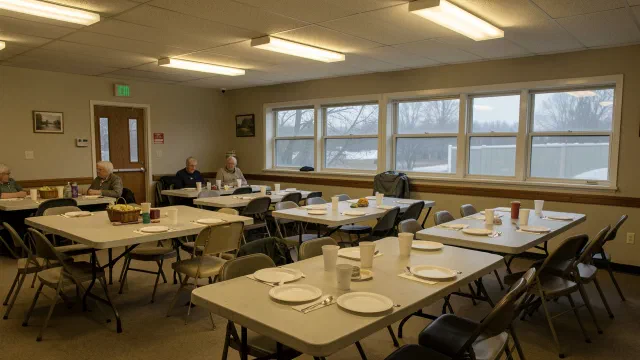
Rural Elderly
Aging Infrastructure for an Aging Population
The nursing home closures will not stop because RHTP started. Forty additional rural counties became nursing home deserts since February 2020, and the program that takes five years …
RHTP-09.02
Tribal and Indigenous Communities
Sovereignty Meets Federal Program Requirements
RHTP flows through states that have no authority over tribal health systems. Tribes that want transformation resources must negotiate with governments that cannot direct their …
RHTP-09.03
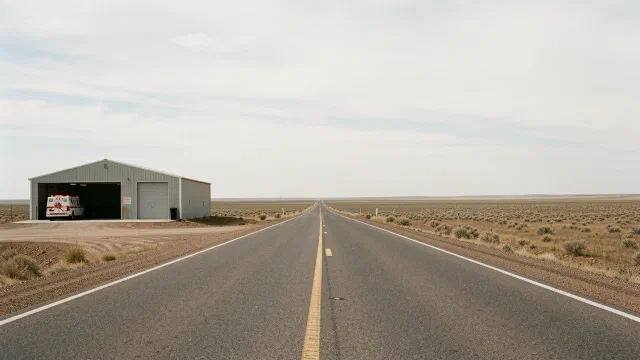
Frontier Populations
When Geography Defeats Healthcare Design
At one person per square mile, the population cannot support a physician practice, let alone a hospital. Frontier healthcare reaches its limit before funding arrives. The question …
RHTP-09.04
Agricultural and Seasonal Workers
When Essential Workers Receive Nonessential Health Care
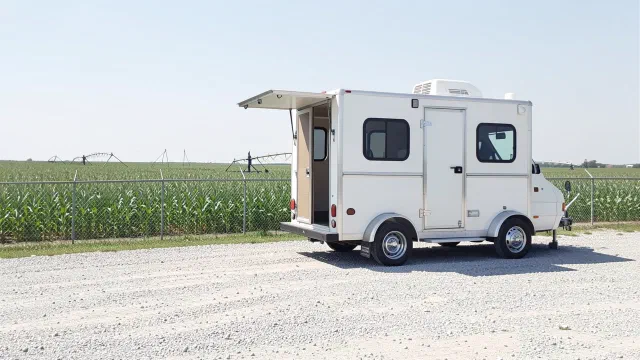
Approximately 59% of farmworkers have no health insurance, 50% lack work authorization, and all of them follow harvests across state lines that Medicaid cannot follow. Most state …
RHTP-09.05
Persistent Poverty Communities
When Poverty Is Place, Not Circumstance
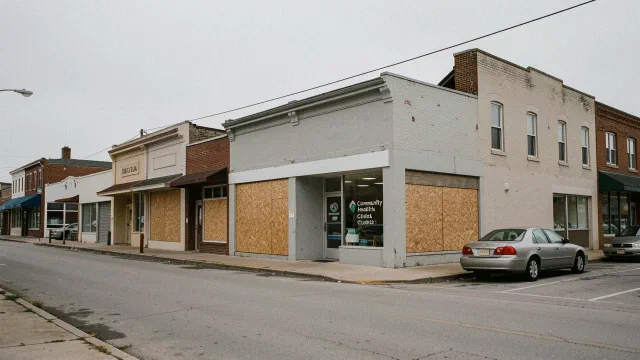
RHTP investments in persistent poverty counties operate alongside SNAP cuts, LIHEAP elimination, and Medicaid work requirements that are simultaneously reducing the social …
RHTP-09.06
Post-Industrial Communities
Resilience Cannot Resurrect What Policy Destroyed
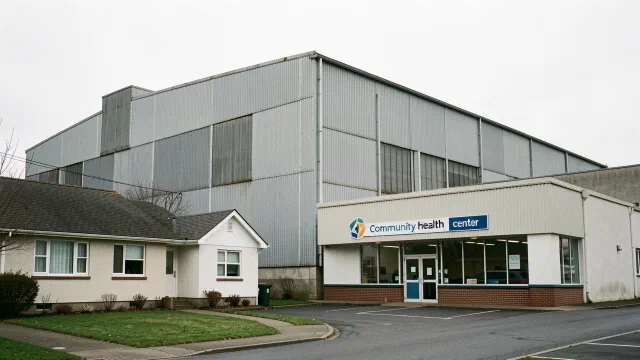
The mill closed in 1985 or the mine in 2015, and the healthcare infrastructure that served those workers left with them. RHTP operates for five years in communities where economic …
RHTP-09.07
Black Belt and Delta Populations
When Health Outcomes Reflect System Discrimination, Not Population Characteristics
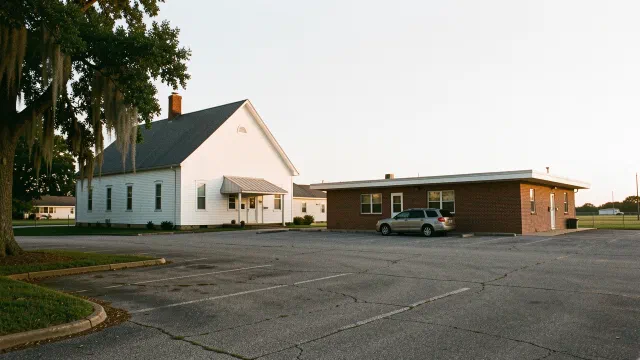
Migration studies show that Black residents who leave Black Belt counties experience better health outcomes, pointing to structural conditions rather than population …
RHTP-09.08
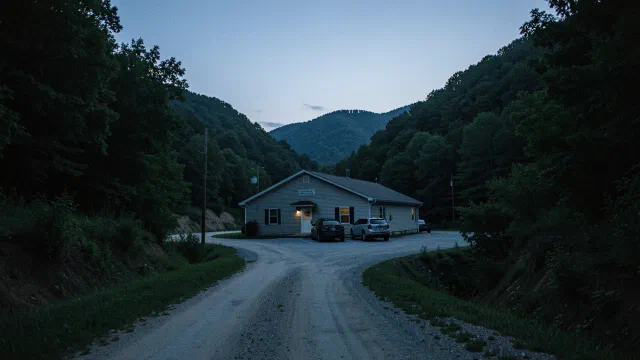
Appalachian Communities
Community Resilience Cannot Overcome Structural Barriers
West Virginia and eastern Kentucky have been managing coal industry decline since long before RHTP. Both states expanded Medicaid, both receive substantial per-capita awards, and …
RHTP-09.09
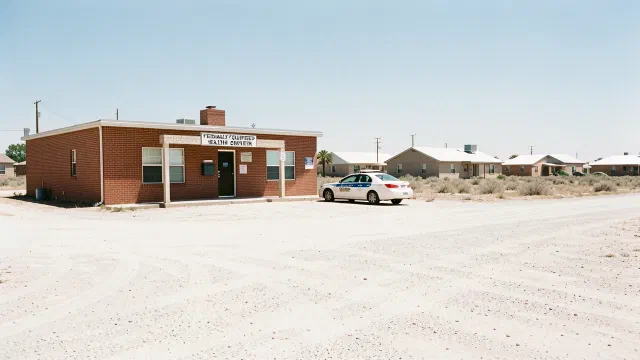
Border Communities
Binational Reality Meets Single-Nation Policy
A diabetic in El Paso may see a U.S. endocrinologist annually and buy insulin in Juarez at one-tenth the cost. RHTP measures utilization on one side of the border and cannot see …
RHTP-09.10
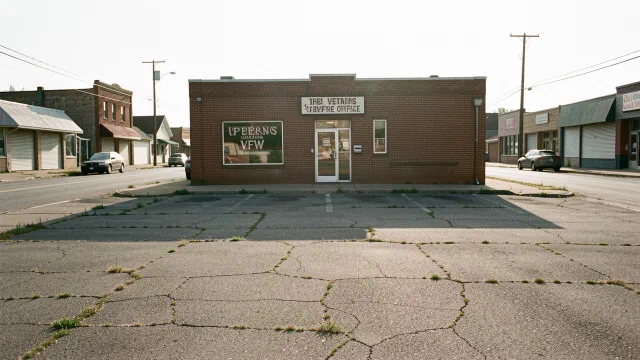
Rural Veterans
Service, Systems, and the Gap Between
The VA Medical Center that understands a rural veteran's service-connected conditions is 150 miles away. The rural hospital RHTP can fund is 20 miles away. Neither system is …
RHTP-09.11
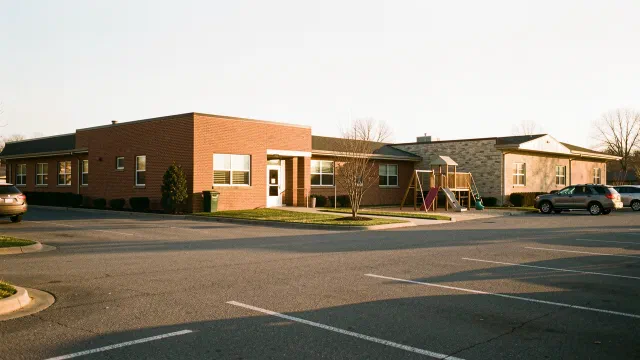
Rural Children and Families
Investing Today or Inheriting Tomorrow's Crisis
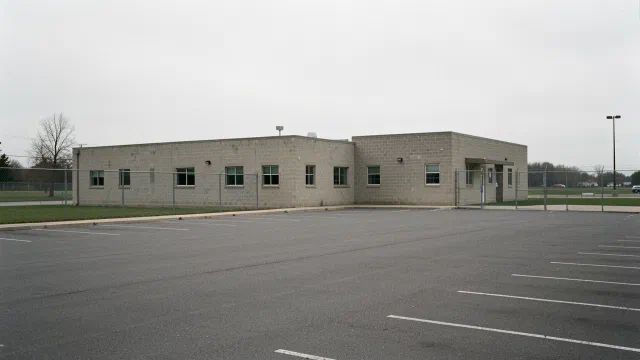
Rural children have 3.2 pediatricians per 10,000 compared to 8.7 in urban areas, and developmental windows that close before a five-year program ends. States allocating RHTP …
RHTP-09.12
Justice-Involved Populations
Continuity Across the Wall
Post-release overdose mortality runs 129 times the general population rate in the first two weeks after incarceration ends. Most state RHTP applications do not name …

RHTP-09.13
Substance Use Disorder
Treatment Deserts and the Workforce That Cannot Come
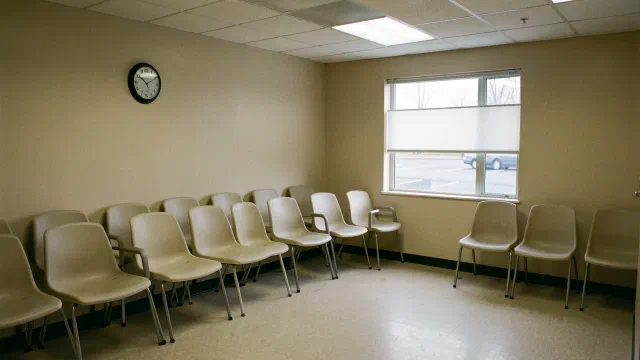
Rural overdose deaths now exceed urban rates, and nearly 90 percent of rural adults with substance use disorder receive no treatment. The gap is not motivation or access to …
RHTP-09.14
Serious Mental Illness
When the Workforce Does Not Exist
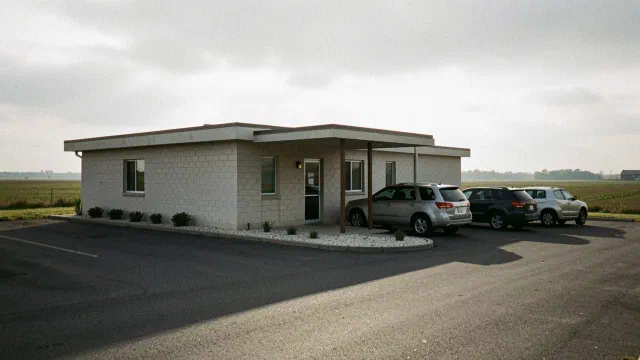
More than 63 percent of rural counties have no psychiatrist. Crisis services are absent in nearly 88 percent. The state hospitals closed decades ago and the community systems that …
RHTP-09.15
Complex Medical Conditions
When Specialty Care Is Essential but Unavailable
RHTP's primary care and prevention focus assumes patients can reach specialty care when they need it. For the rural resident with cancer, kidney failure, or a rare disease, that …

RHTP-09.16
Autism and Intellectual/Developmental Disabilities
The Service Desert and the Transition Cliff
Rural children with autism wait 18 to 24 months beyond urban baselines for a diagnosis, and the early intervention window closes while they wait. The Board Certified Behavior …

RHTP-09.TD1
Population Identification Methodology
Who counts as a member of a special population is not a technical question. It is a political one. The definitional choices states make about tribal enrollment criteria, farmworker …
RHTP-09.TD2
Exemption and Accommodation Frameworks
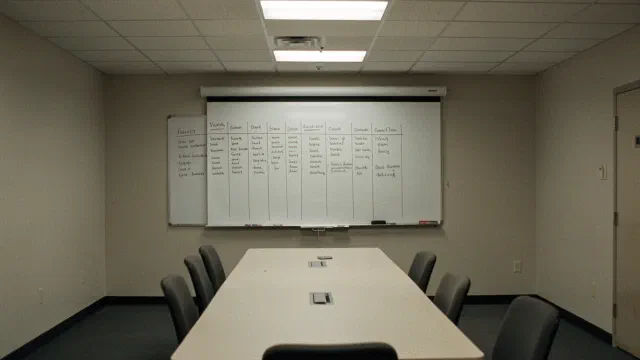
Universal approaches fail distinct populations not because they are universal but because they apply the universal frame where the frame itself is the problem. This document …

RHTP-09.TD3
Cross-Population Intersectionality Analysis
Why Single-Population Approaches Miss Compound Disadvantage
Single-population analysis is inadequate for the elderly tribal veteran with substance use disorder in a frontier persistent poverty county. No single-population accommodation …