Schools and Youth Organizations
Future Investment vs. Current Crisis
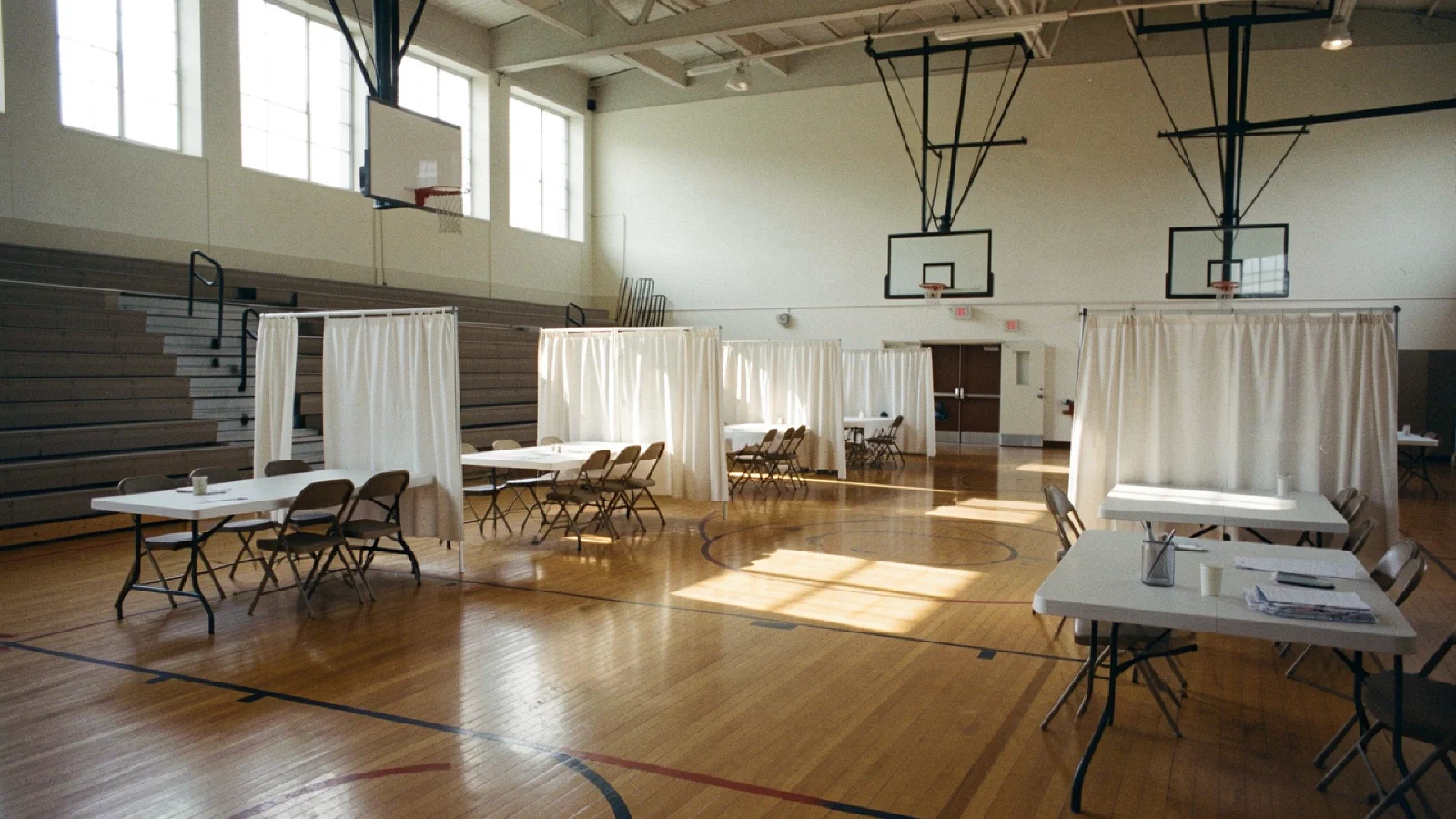
Rural schools are often the last institutional anchor in communities losing everything else. When the hospital closes, the factory leaves, and the downtown empties, the school gymnasium still hosts basketball games. The elementary school still employs teachers. The building still gathers community members who share little else. Schools represent both the community’s past and its claim on a future.
Youth organizations extend this function through structured programming: 4-H clubs teaching agricultural science and leadership, mentoring programs connecting young people to adult guidance, sports leagues and summer camps providing structure and supervision. These organizations invest in people who will be adults in twenty years, community members in thirty, healthcare workforce in forty.
RHTP runs through 2030. A health careers program graduating students in 2035 produces no providers during the funding period. A school-based health center serving students today delivers current services but may not survive federal funding withdrawal. The tension between future investment and current transformation shapes how schools and youth organizations can participate in RHTP, and whether their participation represents transformation or temporary service expansion.
This article examines schools as community institutions, school-based health centers as healthcare delivery mechanisms, youth organizations as workforce pipeline components, and the fundamental question of whether RHTP’s five-year timeline can accommodate investments whose returns arrive after funding ends.
Schools as Community Institutions#
The Rural School’s Unique Position#
In rural communities, schools occupy institutional positions that urban schools rarely hold. The school is often the largest employer, with teaching and support staff constituting significant portions of local employment. The school building is the largest public gathering space, hosting town meetings, church services when sanctuaries are too small, and election polling. The school schedule structures community rhythm: summer means empty hallways and families on vacation; fall means football games and community gathering.
This institutional centrality creates both opportunity and burden. Schools are expected to serve functions beyond education: social services, healthcare access, community development, economic anchor. Consolidation pressures that have closed thousands of rural schools since 1930 threaten not just educational access but community identity itself.
Approximately 9,000 rural school districts serve students across the United States, ranging from districts with thousands of students to one-room schools serving handfuls of children across vast geographic areas. Funding varies dramatically: property-wealthy districts with minimal tax effort may outspend property-poor districts with maximum tax effort. State equalization formulas partially address disparities but cannot eliminate them.
Schools and Health#
The connection between education and health is bidirectional and well-documented. Children who are healthy attend school more consistently and perform better academically. Children who complete more education have better health outcomes across their lifespans. Educational attainment predicts life expectancy more strongly than income alone.
Schools affect health through multiple mechanisms: direct health services including school nurses, vision and hearing screenings, and immunization requirements; health education curriculum covering nutrition, physical activity, substance use, sexual health, and mental health; the physical environment including school meals, physical education, and building conditions; the social environment including peer relationships, mentorship, and school climate; and future opportunity through educational pathways to employment and income.
Rural schools often struggle to provide these functions. School nurse ratios in rural areas frequently exceed recommended maximums, with some schools sharing nurses across multiple buildings or lacking nursing staff entirely. Health education curriculum may be limited by teacher comfort, community values, or resource constraints. Physical education and recess may be squeezed by academic accountability pressures.
School-Based Health Centers#
What School-Based Health Centers Provide#
School-based health centers (SBHCs) represent the most intensive model of school-health integration. SBHCs are full-service healthcare facilities located within or adjacent to school buildings, providing primary care, behavioral health services, and often dental and vision care to enrolled students. Unlike school nursing, which provides limited services, SBHCs function as healthcare providers with billing relationships, medical records, and comprehensive service capacity.
The SBHC model has grown substantially over the past two decades. From 1,135 SBHCs in 1998-99, the number grew to approximately 3,900 by 2021-22. Growth accelerated after the Affordable Care Act provided $200 million for SBHC expansion in underserved communities. The model has extended from its urban origins into rural and suburban settings.
Key SBHC characteristics: most SBHCs provide primary care by definition; 65% provide behavioral health services; 41% have expanded care teams including oral health, vision, nutrition, or other specialties; 90% use traditional school-based facilities with others using mobile models or telehealth; and sponsorship varies across FQHCs, hospitals and health systems, school districts, health departments, and nonprofit organizations.
Rural SBHCs#
Approximately 35% of SBHCs serve rural communities, a share that has grown as the model expanded beyond urban origins. Rural SBHCs face distinct challenges:
Staffing: Health professional shortages affect SBHC staffing just as they affect other rural healthcare settings. Recruiting nurse practitioners, behavioral health providers, and support staff to rural school settings is difficult.
Sustainability: Rural SBHCs often serve smaller student populations, limiting billing revenue. Medicaid reimbursement provides essential support, but many students lack insurance or have private insurance with limited SBHC coverage.
Technology infrastructure: Telehealth-enhanced SBHCs can extend specialist access to rural students, but broadband limitations constrain telehealth effectiveness in many rural areas.
Community values: SBHCs in conservative rural communities may face resistance to certain services, particularly reproductive health. State laws and local policies limit SBHC scope in some settings.
Evidence on SBHC Effectiveness#
Research on SBHC effectiveness, while methodologically limited, suggests positive effects:
Healthcare access and utilization: SBHCs increase receipt of preventive services, particularly for students from low-income families and students of color. Vaccination rates, well-child visits, and routine care increase with SBHC access.
Educational outcomes: Studies associate SBHC access with improved attendance, reduced chronic absenteeism, and in some cases improved academic performance. A 2025 study of rural New York SBHCs found students with SBHC access had significantly fewer absences than comparison students. The study examined 66,303 students across 52 schools, finding that differences were greatest at lower levels of absenteeism and among elementary students, suggesting SBHCs help prevent attendance problems before they become chronic.
Health outcomes: Evidence suggests SBHCs improve asthma management, reduce emergency department utilization, and support behavioral health. Effects on chronic disease management and long-term health outcomes are less well-documented.
Behavioral health services: The growing emphasis on behavioral health in SBHCs addresses a critical gap in rural youth services. 65% of SBHCs provide behavioral health services, making schools one of the most accessible settings for youth mental health care in communities lacking child psychiatrists and psychologists.
Equity effects: Because SBHCs disproportionately serve low-income students and students of color, positive effects contribute to reducing health disparities.
However, research evidence on rural SBHCs specifically is limited. The Community Preventive Services Task Force identifies rural SBHC effectiveness as an evidence gap requiring additional research, noting that different SBHC designs may be necessary in low-density areas.
SBHC Financing and Sustainability#
Medicaid and CHIP billing provides the primary revenue stream for most SBHCs. Students enrolled in Medicaid or CHIP can receive SBHC services billed to those programs. However, billing covers only a portion of SBHC operating costs, and significant portions of students lack billable coverage.
State grant programs provide essential supplementary funding. States like Oregon, New York, Michigan, and Colorado have dedicated SBHC grant programs. In 2024, Michigan released $4.46 million and New York released $20 million in state grants to expand SBHCs. States without such programs see SBHCs struggling for sustainability.
Sponsoring organization resources sometimes subsidize SBHC operations. Hospital-sponsored SBHCs may receive institutional support as community benefit. FQHC-sponsored SBHCs can allocate 330 grant resources to school-based sites. District-sponsored SBHCs may receive school budget allocations.
Youth Organizations#
4-H and Extension: Unique Rural Infrastructure#
4-H through the Cooperative Extension System represents the most extensive youth organization infrastructure in rural America. The federal-state-local partnership structure means Extension offices exist in virtually every rural county. 4-H programming reaches approximately 6 million youth annually, with disproportionate rural representation.
Health programming through 4-H includes: health science projects teaching basic biology and health concepts; health careers exploration activities introducing medical and healthcare professions; and partnership programs connecting 4-H to healthcare workforce initiatives. The MSU Extension 4-H HealthCorps AmeriCorps Program deploys health educators in rural Michigan communities, demonstrating how 4-H infrastructure can support health transformation goals.
Extension’s presence in every county and deep community relationships create infrastructure for health programming that national youth organizations cannot match in rural areas. The structure enables rapid deployment of health education without building new organizational capacity.
Sponsorship Models and Their Implications#
SBHC effectiveness depends substantially on sponsoring organization capacity:
FQHC sponsors bring clinical expertise, billing infrastructure, and federal compliance capacity. FQHC-sponsored SBHCs can access 330 grant resources and enhanced Medicaid reimbursement. However, FQHCs face their own capacity constraints and may not prioritize SBHC expansion in all rural areas.
Hospital sponsors provide clinical expertise and potential service integration, but face their own financial pressures and may view SBHCs as community benefit obligations rather than strategic priorities.
School district sponsors have community commitment but often lack healthcare expertise. District-sponsored SBHCs may struggle with billing, clinical quality, and sustainability.
Health department sponsors bring public health perspective but face their own capacity constraints and political vulnerabilities.
Youth Organization Capacity#
4-H/Extension has unique capacity through its federal-state-local structure. Extension’s presence in virtually every county provides infrastructure that national youth organizations cannot match in rural areas. Health programming capacity varies by state and county investment.
Other youth organizations have highly variable capacity. National organizations (Big Brothers Big Sisters, Boys and Girls Clubs) have organizational infrastructure but limited rural presence. Local organizations may have deep community connections but limited professional capacity.
When Schools and Youth Organizations Can Support Transformation#
School-based health centers delivering current services represent the clearest transformation contribution. SBHCs with sustainable funding models, strong sponsoring organizations, and community support can expand healthcare access during and potentially beyond RHTP funding periods.
Health education improving current behaviors produces immediate benefits even if long-term effects are uncertain. Nutrition education reducing obesity, substance use prevention reducing addiction, and mental health literacy reducing crisis all deliver current value.
School facilities enabling healthcare access provide infrastructure benefits. Using school buildings for mobile clinic sites, vaccination events, or community health programming leverages existing assets without requiring healthcare infrastructure investment.
Workforce programs with accelerated timelines can produce some returns within RHTP periods. Medical assistant certification programs, CNA training, or community health worker preparation can place workers in healthcare roles within two to three years, faster than traditional professional pathways.
When Schools and Youth Organizations Cannot Support Transformation#
Long-term workforce pipeline programs producing results after 2030 cannot demonstrate transformation impact within RHTP metrics. They may be valuable investments but require funding sources designed for long-term returns.
Unsustainable SBHC expansion creates temporary services that disappear when funding ends. Expansion without sustainability planning may harm communities by establishing expectations that cannot be maintained.
Youth programs without healthcare connection provide youth development benefits but do not constitute health transformation. Funding generic youth programs through RHTP diverts resources from health-specific activities.
Schools lacking healthcare capacity or partners cannot develop healthcare functions quickly enough to deliver transformation within funding periods. Capacity building takes time that RHTP’s timeline does not provide.
Alternative Perspective: The Future Investment View#
The transformation framework may be wrong. Sustainable rural health requires workforce that does not currently exist. Focusing only on current transformation accepts workforce constraints that make long-term improvement impossible.
The Future Investment Argument: RHTP’s $50 billion over five years cannot solve workforce shortages created over decades. Young people leaving rural communities for education and careers represent lost investment that no recruitment incentive recovers. The only sustainable solution is developing healthcare workers from within rural communities, people who know the places, have family connections, and might actually stay.
This requires investment horizons longer than funding periods. Health careers programs in middle schools, high school academies, community college partnerships, and return-to-practice scholarships create pipelines that produce workers a decade later. Current transformation without workforce development is temporary improvement that erodes when current workers retire.
Counter-Argument: Future-oriented investment is speculation. Youth completing healthcare training have opportunities everywhere. Nothing binds them to rural communities that funded their development. Meanwhile, communities lacking current services experience current harm that future workforce cannot address. Hope is not strategy.
Assessment: Both perspectives have validity. Workforce development is necessary for sustainable transformation but insufficient for current crisis. RHTP should include workforce pipeline components while recognizing their returns arrive after funding ends. Metrics should track both current service delivery and pipeline development, accepting that some investments produce long-term rather than short-term returns.
Recommendations#
For Schools: Pursue SBHC development with sustainable sponsoring organizations. Emphasize current service delivery contributions rather than future workforce alone. Partner with healthcare organizations for clinical expertise. Document health impact on educational outcomes. Integrate health careers into career and technical education.
For Youth Organizations: Connect existing programming to health workforce pathways. Partner with healthcare employers for internships and mentorship. Develop accelerated training pathways producing workers within 2-3 years. Document health-related outcomes of youth programming. Advocate for funding timelines appropriate to workforce development.
For State Agencies: Include SBHC expansion in RHTP where sustainable funding exists. Fund workforce pipeline components accepting long-term returns. Require sustainability planning for school-based initiatives. Measure workforce pipeline development alongside current transformation. Partner with education agencies for school-health integration.
For Healthcare Partners: Sponsor SBHCs to bring healthcare expertise to school settings. Provide clinical rotation and mentorship opportunities for health careers programs. Value schools as community institutions, not just workforce sources. Support sustainable SBHC financing through Medicaid participation. Develop “grow your own” partnerships with local schools.
For CMS: Allow workforce pipeline investments recognizing returns beyond funding period. Require SBHC sustainability assessment before funding expansion. Support measurement systems capturing long-term workforce development. Provide guidance on school-health partnerships within RHTP. Recognize education-health connections in transformation metrics.
How this article connects to others in Blue Gray Matters.
Sources cited in this article.
- County Health Rankings and Roadmaps. "School-Based Health Centers." University of Wisconsin Population Health Institute, 2024, www.countyhealthrankings.org/strategies-and-solutions/what-works-for-health/strategies/school-based-health-centers.
- Health Affairs. "Twenty Years Of School-Based Health Care Growth And Expansion." *Health Affairs*, vol. 38, no. 5, 2019, pp. 755-764.
- Kjolhede, Chris, et al. "School-Based Health Centers and School Attendance in Rural Areas." *JAMA Network Open*, vol. 8, no. 5, 2025, e2511523.
- Medicaid and CHIP Payment and Access Commission. "School-Based Health Centers and Behavioral Health Care for Students Enrolled in Medicaid." MACPAC, Mar. 2025, www.macpac.gov.
- Michigan State University Extension. "MSU Extension 4-H HealthCorps AmeriCorps Program for the 2024-25 Program Year." CANR News, 2024, www.canr.msu.edu/news.
- National 4-H Council. "Programs." 4-H, 2024, 4-h.org/programs/.
- National Institute of Food and Agriculture. "4-H and Positive Youth Development." USDA NIFA, 2024, www.nifa.usda.gov/grants/programs/4-h-positive-youth-development.
- Rural Health Information Hub. "School-Based Health Centers." RHIhub SDOH Toolkit, 2024, www.ruralhealthinfo.org/toolkits/sdoh/2/healthcare-settings/school-based-health-centers.
- School-Based Health Alliance. "National School-Based Health Care Census." SBHA, 2022.
- The Community Guide. "SDOH: School-Based Health Centers." Community Preventive Services Task Force, 2016, www.thecommunityguide.org/findings/social-determinants-health-school-based-health-centers.html.
- Willgerodt, Mayumi A., et al. "School-Based Health Centers to Advance Health Equity: A Community Guide Systematic Review." *American Journal of Preventive Medicine*, vol. 54, no. 1, 2018, pp. S81-S88.