Series
Healthcare Providers
Rural health transformation reaches the provider floor in Series 7, where the policy expectations of federal and state transformation plans meet the financial margins, workforce conditions, and organizational capacities of the facilities and practitioners expected to deliver change. The series does not argue that providers cannot transform. It documents the conditions under which they can and the structural reasons why, for a substantial portion of rural America's provider infrastructure, those conditions are currently absent.
RHTP-07.01
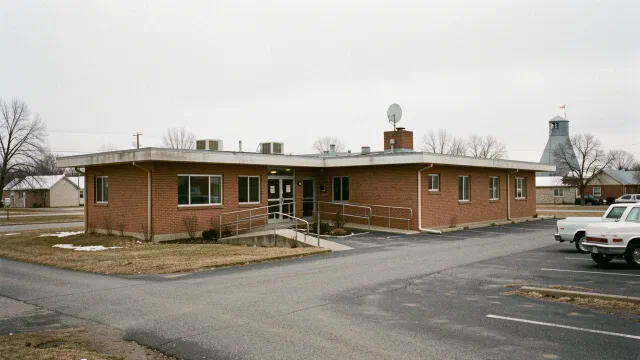
Critical Access Hospitals
The CAH designation was created to keep small rural hospitals alive. It was not designed to make them transform. On median margins of 1% with 52 days cash, the facilities RHTP …
RHTP-07.02
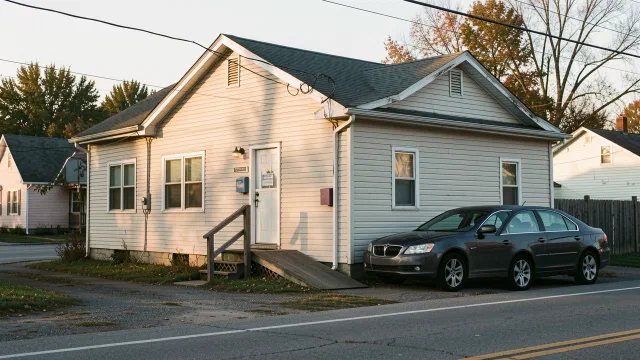
Rural Health Clinics
Independent RHC physicians have practiced in the same rural communities for 25 to 30 years. They are retiring without successors, and the autonomy that made their practices …
RHTP-07.03
Federally Qualified Health Centers
FQHCs cannot close unprofitable service lines, cannot turn patients away, and cannot optimize their payer mix without abandoning the populations they exist to serve. The mission …
RHTP-07.04
Independent Physician Practices
Between 2019 and 2024, independent rural physicians declined 43%. RHTP funding flows to hospitals, health centers, networks, and systems. Independent practices have no …
RHTP-07.05
Emergency Medical Services
4.5 million Americans live in ambulance deserts, areas beyond 25-minute response range. The funding model that created rural EMS, volunteer labor supplemented by fundraiser …
RHTP-07.06
Long-Term Care Facilities
774 rural nursing homes closed between February 2020 and July 2024. 37 opened. The workforce that sustains rural long-term care left during the pandemic and has not returned. RHTP …
RHTP-07.07
Behavioral Health Providers
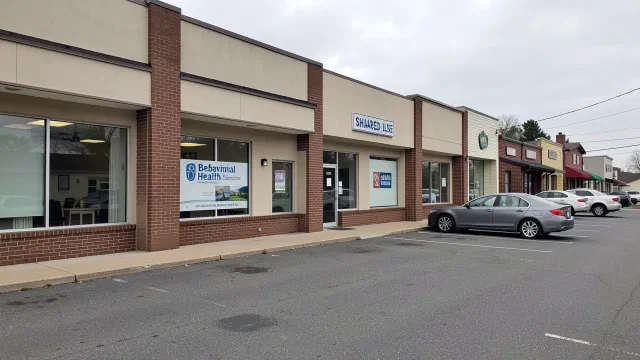
60% of rural counties have no practicing psychiatrist. The policy response is integration: put behavioral health inside primary care, co-locate, coordinate. The payment response is …
RHTP-07.08
Dental and Vision in Rural Settings
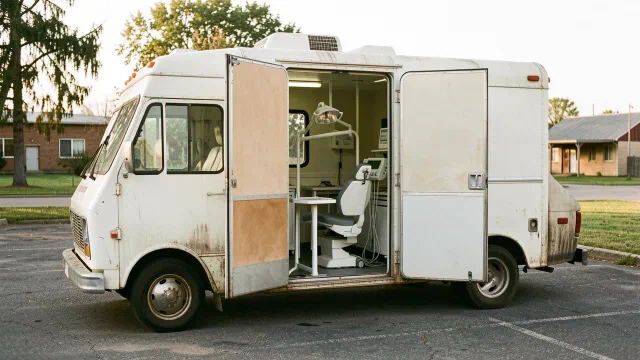
Medicaid reimbursement for dental care averages 48% of charges nationally. 29% of rural ophthalmology workforce needs are met, compared to 77% in urban areas. RHTP does not …

RHTP-07.TD1
Rural Hospital Financial Vulnerability Index
Three independent methodologies estimate rural hospital financial vulnerability. Chartis finds 432 at risk. CHQPR finds 756. UNC Sheps finds 133 with consecutive negative margins. …
RHTP-07.TD2
Provider Reimbursement Comparison Matrix
Purpose and Analytical Value
A Critical Access Hospital in Montana receiving cost-based Medicaid and operating in an expansion state faces a different financial reality than a CAH in Texas receiving 60% of …