Series
Understanding Rural and Deep Rural America
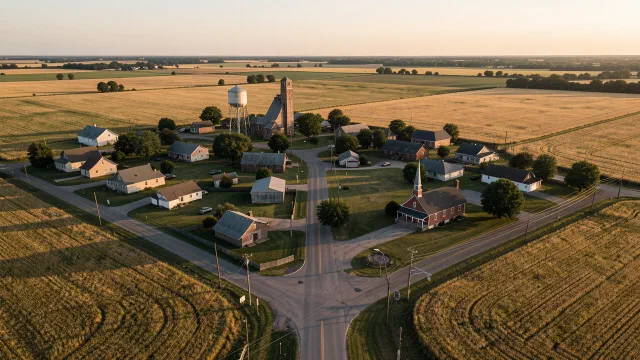
Rural America is not one place, not one population, and not one problem. This series documents what it actually is: forty-six million people distributed across a geography that resists service delivery, with demographics that strain caregiver capacity, economics that cycle between extraction and abandonment, and infrastructure that has been underfunded long enough to approach systemic failure. Understanding the terrain is prerequisite to any honest assessment of what transformation can accomplish.
RHTP-01.01
Geography and Rural Definition
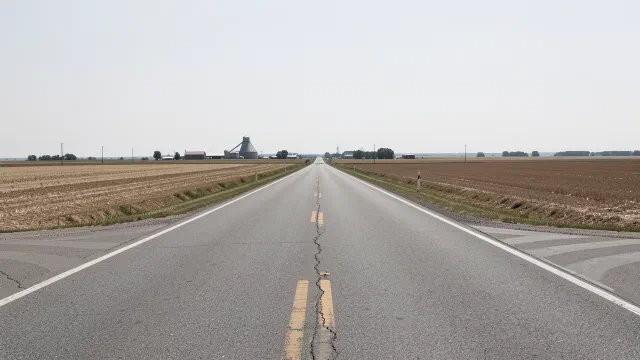
The federal government uses at least six competing classification systems to define 'rural,' and they do not agree. A county qualifying for Critical Access Hospital designation may …

RHTP-01.02
Demographics
Deaths exceed births in most rural counties. The young leave, the old remain, and the caregiving workforce that aging populations require has followed the young out the door. The …
RHTP-01.03
Education and Literacy
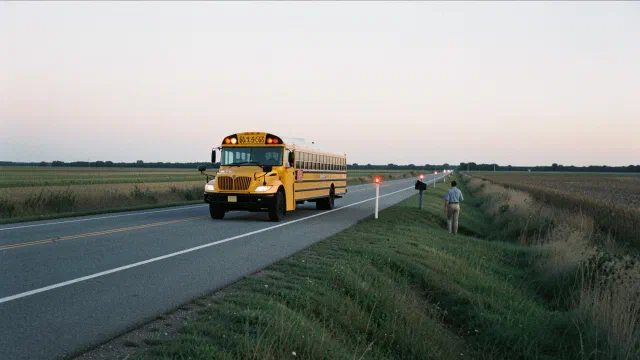
Successful rural schools produce graduates who leave. The same educational pipeline that could feed a rural healthcare workforce typically points toward cities where training …
RHTP-01.04
Economics and Employment
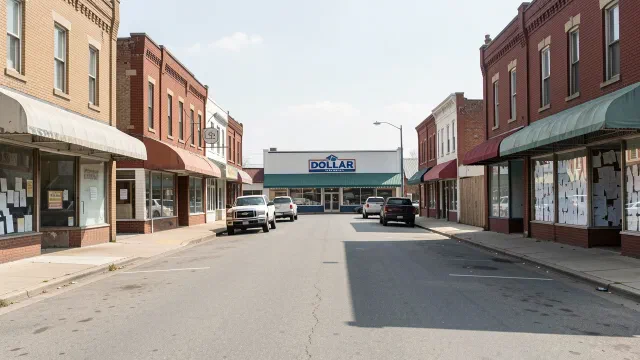
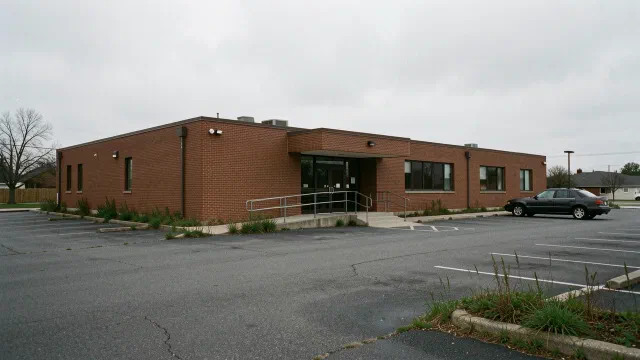
Healthcare is the largest employer in many rural counties. When a rural hospital closes, the county loses its economic anchor before it loses its emergency room. The economic …
RHTP-01.05
Healthcare Access
Ninety-one percent of rural counties qualify as primary care shortage areas. Since 2010, 182 rural hospitals have closed or converted, and 69 percent of those closures happened in …
RHTP-01.06
Food and Nutrition
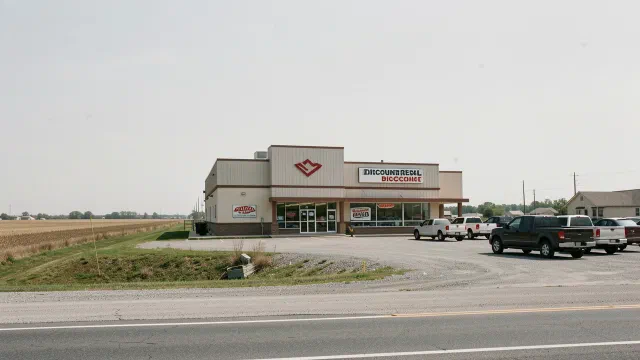
Rural America ships food to the world and lacks grocery stores. The county exporting commodity crops to global markets may contain households that cannot access fresh produce …
RHTP-01.07
Social Fabric and Isolation
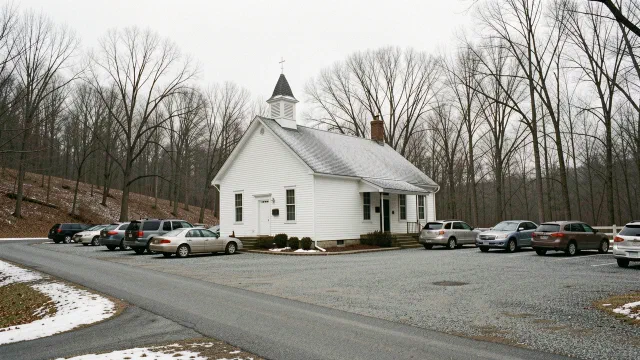
Social isolation predicts mortality as reliably as smoking. Rural communities are celebrated for tight social bonds and suffer from an epidemic of loneliness simultaneously, …

RHTP-01.08
Transportation and Mobility
In rural America, the personal vehicle is not a convenience. It is the only option. For the elderly who stop driving, for the household that cannot afford a reliable car, the …

RHTP-01.09
Belief Systems
Institutional distrust in rural America is not irrational. It is learned: the product of watching institutions promise and fail to deliver across decades. Self-reliance is not …
RHTP-01.10
Lifestyles and Culture
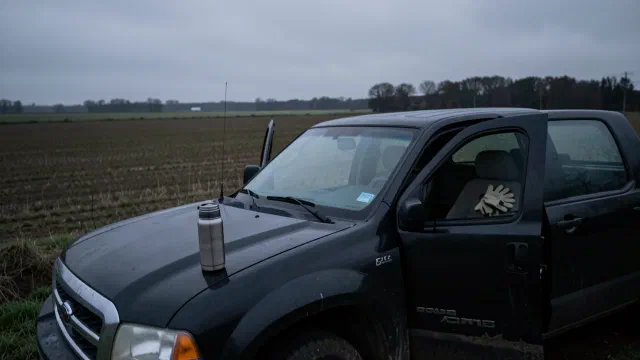
Rural workdays start before dawn, seasons dictate schedules, and physical toughness is a moral value rather than a lifestyle choice. Healthcare appointments scheduled during …
RHTP-01.TD1
Statistical Data Companion
Purpose
The empirical foundation for Series 1's ten topical articles, organized by topic for quick reference. Figures are drawn from most recent available data as of early 2025, with …
RHTP-01.TD2
Rural Classification Reference Guide
Purpose
Six federal classification systems define 'rural' for different purposes, and they do not agree. This reference maps each system's codes, documents how they cross-reference, and …

RHTP-01.TD3
Regional Variation Matrix
Purpose
National rural statistics conceal more than they reveal. This matrix compares eighteen primary rural regions across demographics, economics, healthcare infrastructure, social …

RHTP-01.TD4
Data Tables
Geography and Rural Definition
Tables organized by article topic for direct lookup, without the source documentation and narrative context of the Statistical Data Companion. For the number without the …