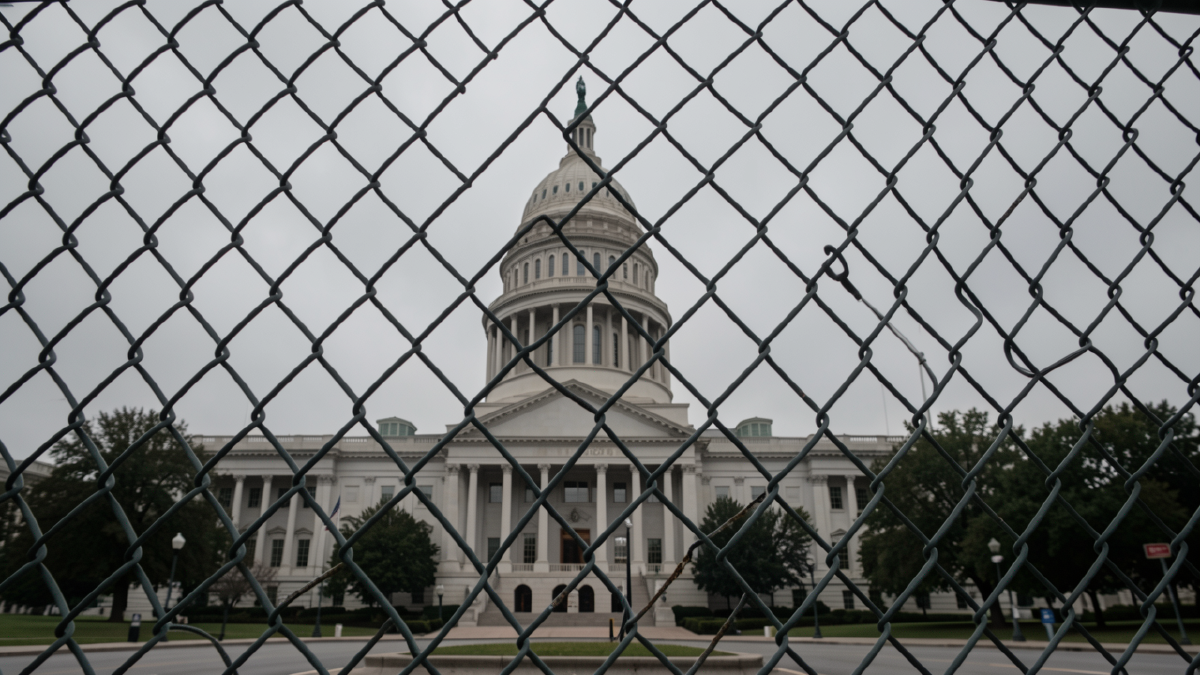
Kansas remains one of ten states that declined Medicaid expansion, leaving approximately 27,000 to 39,000 adults in the coverage gap with no affordable coverage option. The state faces the highest percentage of rural hospitals at risk of closure nationally: 67 of approximately 100 rural hospitals (67%) are at risk, with 30-31 at immediate closure risk within two to three years. Eight rural hospitals have closed since 2015. Governor Laura Kelly introduced the Healthcare Access for Working Kansans (HAWK) Act in February 2025, her seventh consecutive annual expansion proposal with work requirements designed to attract Republican legislative support. The bill has not advanced. Federal work requirements under H.R. 1 do not apply to Kansas because the state has no expansion population, but the elimination of ARPA’s enhanced federal matching for newly expanding states reduced expansion’s financial attractiveness by eliminating an estimated $542 million in additional federal funding over two years.
Kansas Medicaid (KanCare) serves approximately 358,000 to 458,000 individuals through a mature managed care model operated by three MCOs: Sunflower Health Plan (Centene), UnitedHealthcare Community Plan, and Healthy Blue (Anthem). These contracts run through December 2027 under KanCare 3.0. Parent eligibility caps at approximately 38% FPL (roughly $778 monthly for a family of three), more restrictive than most states but less extreme than Texas or Alabama. A parent working full-time at minimum wage ($7.25 per hour) earns approximately $1,257 monthly before taxes, exceeding Medicaid eligibility. Childless adults face complete categorical exclusion regardless of income level.
The HAWK Act would expand coverage to adults earning up to 138% FPL, covering approximately 150,000 Kansans according to state estimates. The proposal includes work requirements from inception: applicants must be employed, in school, engaged in volunteer work, or caring for a dependent child or incapacitated adult. Unlike other states’ proposals specifying 80 hours monthly verification, the HAWK Act requires proof of employment to enroll, though legislative language references the 80-hour standard. The bill includes a sunset provision terminating expansion if federal matching drops below 90%, addressing Republican fiscal concerns about long-term state obligations. A 15-member Rural Health Advisory Committee would provide ongoing policy guidance.
Senate President Ty Masterson, a 2026 gubernatorial candidate, has stated expansion is not possible under the current legislature and argues expansion has not helped rural hospitals in other states. This position persists despite Kansas Hospital Association support, state studies showing expansion would reduce hospital uncompensated care by at least 30%, and polling showing approximately 72% of Kansans support expansion. Republican legislators who privately support expansion face primary challenges from the right, creating electoral dynamics where supporting expansion risks more severe political consequences than blocking it. The political calculus has remained unchanged across seven years of Kelly proposals.
H.R. 1 fundamentally altered expansion economics for Kansas. The law eliminated ARPA’s temporary incentive providing a five-percentage-point FMAP increase for existing Medicaid populations in newly expanding states. The Kansas Health Institute estimated this would have provided approximately $542 million over two years if Kansas expanded in 2026, equivalent to approximately nine years of net state expansion costs. Without this incentive, expansion’s fiscal attractiveness declined substantially. The law also made work requirements federally mandated rather than requiring state waiver applications, removing approval uncertainty but imposing requirements automatically if Kansas expands.
Kansas’s rural hospital crisis creates both arguments for and against expansion. Expansion advocates note that covering the uninsured would reduce the uncompensated care burden straining rural facilities. Opponents counter that expansion would not solve fundamental reimbursement rate problems and point to rural hospital closures in expansion states as evidence that expansion does not stabilize rural infrastructure. H.R. 1’s Medicaid cuts affect Kansas hospitals regardless of expansion status, with rural facilities seeing estimated 15% reductions in total rural Medicaid hospital reimbursement. The paradox is that declining expansion may not protect rural hospitals from federal cuts, while expanding creates new state fiscal obligations during federal funding uncertainty.
Kansas has extensive SNAP work requirement infrastructure through its ABAWD program requiring 80 hours monthly of work, training, or volunteer activities. This could theoretically support Medicaid work verification if the state expanded, creating deemed compliance opportunities across programs. However, system integration does not currently exist at scale. H.R. 1 expanded SNAP work requirements to ages 55-64 and parents with children 14 and older, meaning approximately 5,500 additional Kansans face food assistance work requirements starting November 2025, further stressing coordination capacity.
Geographic implementation challenges would be substantial if Kansas expanded with work requirements. The state covers 82,278 square miles across 105 counties. Population concentration in eastern metropolitan areas (Johnson County Kansas City metro, Sedgwick County Wichita) contrasts sharply with western Kansas counties experiencing severe population decline. Clark, Greeley, and Stanton counties each declined more than 15% since 2020, with frontier population densities below 6 persons per square mile. Work requirements assume access to employment, education, and training opportunities that may not exist in remote counties where the nearest community college is 100 miles away and digital verification systems fail without reliable broadband. Seasonal agricultural employment patterns (wheat, cattle, meatpacking) create additional verification complexity.
The 2026 gubernatorial election represents the most significant near-term variable. Kelly faces term limits and cannot seek reelection. If Republicans maintain the governorship, expansion becomes increasingly unlikely. A Democratic successor would face identical legislative obstacles that blocked expansion throughout Kelly’s tenure. Kansas demonstrates how state political dynamics override federal policy incentives, with rural legislators failing to translate hospital closure pressure into expansion support despite constituent need.
Kansas will almost certainly remain a non-expansion state through at least 2027, maintaining its coverage gap and avoiding work requirement mandates that apply only to expansion populations. If Kansas eventually expands, work requirements will certainly be included as compromise to secure Republican support, with the HAWK Act framework providing the template. However, the state would need to build verification infrastructure from scratch, creating significant implementation risk despite mature managed care foundations. The state reveals how political culture can permanently maintain coverage gaps regardless of public opinion, hospital advocacy, federal funding availability, or rural healthcare infrastructure collapse.