Work requirements assume that 18.5 million expansion adults can independently navigate multi-step administrative processes: checking compliance status, submitting work hour verification, applying for exemptions, uploading documentation, tracking deadlines, and appealing denials. The administrative demands are substantial even for people with strong digital literacy, stable housing, reliable technology, and neurotypical cognitive function. For the special populations examined throughout Series 11, these assumptions routinely fail. Someone with serious mental illness experiences executive function impairment during episodes. Someone experiencing homelessness lacks consistent device access. Someone with limited English proficiency cannot comprehend English-only interfaces. Someone in a rural area lacks broadband. Self-service systems designed around typical users with typical access will systematically exclude the populations most vulnerable to coverage loss.
Core Portal Architecture#
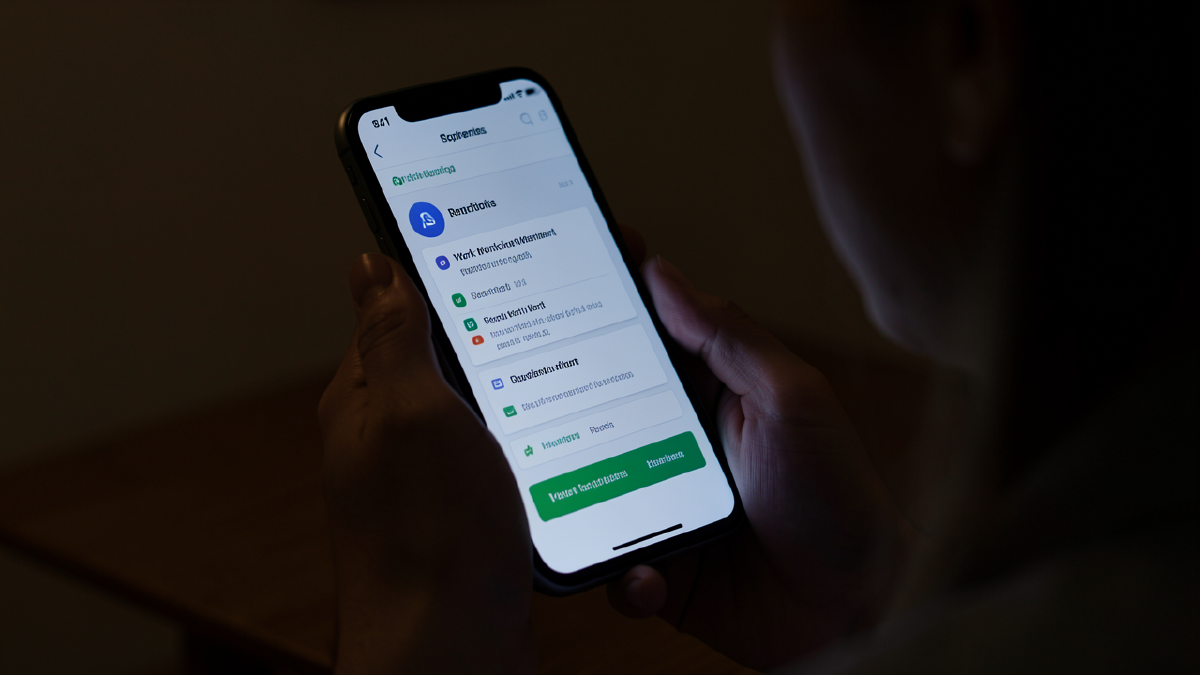
The article maps a comprehensive self-service architecture beginning with a real-time compliance dashboard providing immediate visibility into verification status without phone calls or office visits. Essential displays include current month hours verified as a running total, days remaining with countdown, hours needed to reach the 80-hour threshold, activity breakdown by source, recent submissions with processing status, upcoming deadlines, and exemption status with expiration dates. Visual design principles emphasize mobile-first responsive design (more members use phones than computers), color-coded progress bars, large numbers and icons reducing text dependency, and high contrast modes for visual impairment.
Work hour submission interfaces accommodate the full range of employment types through structured self-reporting for gig economy, self-employment, job search, and cash economy work. Smart forms pre-populate from previous submissions, offer calculation helpers converting weekly hours to monthly totals, and provide real-time validation catching errors before submission. Mobile camera integration enables document capture without scanners, with automatic image enhancement, cropping, and PDF conversion.
Exemption application interfaces begin with screening questionnaires helping members identify applicable exemptions through plain-language yes/no questions before launching guided step-by-step wizards. Save-and-resume functionality allows members to start, pause, and return without losing information, a feature critical for populations whose capacity fluctuates or whose circumstances interrupt extended administrative sessions.
Multimodal Access Beyond the Portal#
The architecture extends well beyond web portals. Native mobile applications provide push notifications, camera integration, offline capability for intermittent connectivity, biometric authentication, and persistent login. Text message interfaces offer lightweight status checking and simple hour submission through SMS commands for members without smartphones. Interactive voice response provides 24/7 phone-based access with natural language processing in 12 or more languages. Chatbot interfaces offer conversational guidance with escalation to human navigators when complexity exceeds automated capability.
This multimodal design recognizes that no single channel serves all populations. The member checking status via SMS command, the member uploading a paystub photograph from a smartphone, and the member calling an IVR system from a landline are all navigating the same compliance requirement through different access points matched to their circumstances.
Population-Specific Accommodations#
The article’s most detailed contribution maps self-service accommodations for each Series 11 population. For cognitive disabilities and intellectual disabilities: simplified interfaces with one task per screen, automatic progress saving every 30 seconds, voice guidance reading prompts aloud, and design supporting assisted decision-making by guardians or family members. For serious mental illness: crisis-aware design with calm and non-judgmental tone, extended session timeouts recognizing that 15-minute expirations punish episodic impairment, limited choices per screen with “I don’t know” options, and peer navigator integration via chat or phone. For visual impairment: full screen reader optimization with semantic HTML, keyboard navigation without mouse requirement, high contrast themes, and text scaling to 200 percent without layout breakage.
For domestic violence survivors: privacy mode with confidential record access, a safe exit button instantly closing the browser and clearing history, no location tracking or GPS requirements, and all contact routed through caseworkers rather than directly. For homeless populations: alternative address options accepting shelter, general delivery, and care-of designations, email-independent portal access through phone number or case number authentication, and public device accommodations enabling session resume across multiple library computer visits. For limited English proficiency: language selection prominently placed on every page, simplified English at fifth-grade reading level even within English interfaces, visual instructions using universal symbols, and in-language navigator support.
For LGBTQ+ populations: chosen name support separate from legal names, gender-inclusive form design beyond binary options, and enhanced confidentiality for members in hostile environments. For foster care alumni: youth-friendly interfaces appropriate for 18 to 24 year olds, automatic transition period exemption display, and no requirements for family documentation the state can verify independently.
Intelligent Assistance and Human Integration#
Proactive notification systems monitor compliance trajectories and send escalating alerts calibrated to urgency: early encouragement at mid-month, pace alerts when falling behind, urgent notices approaching deadlines, and critical alerts in the final days. Opportunity matching surfaces relevant employment, training, volunteer positions, and job fairs filtered by geographic proximity, schedule fit, and skills match when members fall behind pace.
Predictive support through machine learning identifies members at high risk of coverage loss based on patterns of near-misses, late submissions, and declining verification over time. High-risk identification triggers proactive navigator outreach rather than waiting for deadlines to pass.
Integration with human support ensures that self-service remains a foundation rather than a replacement. One-click assistance requests on every page connect members to navigators via chat, phone, or callback. Context transfer means navigators see what page the member was on, what they were trying to do, and their current compliance status, eliminating the need for members to explain from scratch. Screen sharing and co-navigation enable guided assistance while respecting privacy.
MCO and Infrastructure Implications#
Self-service platform development and maintenance costs are estimated at $3 to $5 PMPM across expansion adult populations, with population-specific accommodations adding $2 to $4 PMPM for members requiring enhanced accessibility features. The investment pays for itself through reduced call center volume, faster processing, and prevented coverage loss among members who can self-navigate with appropriate tools.
Equity metrics must track adoption rates, completion rates, and coverage retention by population, language, and access channel. If certain populations show systematically lower self-service adoption, that signals accommodation failures rather than population deficiency. Self-service systems that create or widen disparities have failed their design purpose.
The Bottom Line#
Self-service architecture is not optional at the scale of 18.5 million members. Without digital tools, the administrative burden of monthly verification would overwhelm any state system. But self-service systems designed around assumptions of digital literacy, stable technology access, English proficiency, and neurotypical cognition will exclude precisely the populations Series 11 has shown to be most vulnerable. The choice states face is not whether to build self-service systems but whether to build them for the populations they actually serve or the populations they imagine serving.