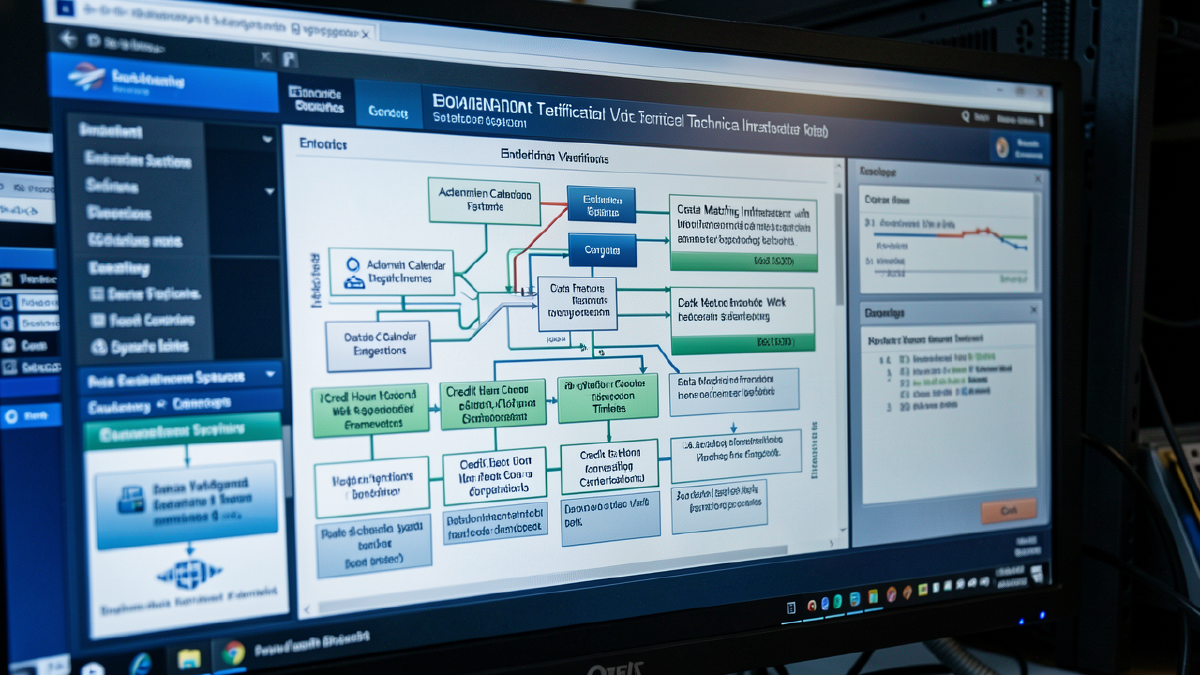
Work requirements operate on monthly cycles. Academic calendars operate on semester or quarter cycles with breaks between terms. The technical choices states make in translating educational activity into compliance hours determine whether education functions as a viable pathway or becomes an administrative trap for students who believed they were meeting requirements. These details may seem like implementation afterthoughts, but they govern whether 18.5 million expansion adults can realistically use education as their compliance pathway.
Most states have adopted a 3:1 conversion ratio where each credit hour equals three hours of qualifying activity per week. Under this framework, a full-time student enrolled in 12 credit hours accumulates approximately 144 hours monthly, exceeding the typical 80-hour threshold with substantial margin. Part-time students face tighter calculations: someone enrolled in six credit hours generates roughly 72 hours monthly, falling eight hours short and requiring supplemental activity. Some states have adopted more generous 4:1 ratios, crediting four hours per credit hour weekly, which reduces supplemental requirements for part-time students. The conversion ratio implicitly addresses the study time question by embedding expected out-of-class work within credit hour calculations rather than requiring separate verification of study hours.
The academic calendar mismatch represents the most significant technical challenge. A student enrolled full-time during fall and spring semesters faces compliance gaps during winter break, spring break, and three months of summer when no classes are scheduled. The summer gap alone creates three months requiring alternative compliance pathways. A student maintaining coverage through educational activity during the academic year must find employment, volunteering, or other qualifying activities during summer or risk coverage loss despite continuous enrollment across academic years. Winter break presents similar challenges in compressed timeframe, potentially affecting compliance for both December and January.
States have multiple options for addressing calendar misalignment. Semester-based compliance treats full-time enrollment as satisfying requirements for the entire semester regardless of monthly calculations. Academic year compliance extends this logic across fall and spring, potentially including summer months for continuously enrolled students. Hour banking allows excess hours from high-activity months to carry forward to months where calendar gaps reduce available hours. Georgia provides one model, treating enrolled students as compliant during academic breaks if they maintain enrollment for subsequent terms, with advance registration serving as evidence of continuing educational commitment.
Online and asynchronous education complicates hour-counting further. Students in online courses have no scheduled class time and engage with materials on their own schedules. The credit hour framework provides the simplest answer: treat online courses equivalently to in-person, crediting hours based on credit units rather than verified attendance. But online course completion rates are notoriously low, and crediting full compliance hours based on enrollment rather than engagement risks rewarding non-participation. Learning management systems track engagement metrics that could inform verification, but requiring engagement data disadvantages online education relative to in-person alternatives where engagement is simply assumed from enrollment.
Competency-based education at institutions like Western Governors University introduces another translation challenge. Students progress by demonstrating mastery rather than completing credit hours. Progress is measured through assessments passed rather than time in class. Translating competency demonstration into monthly hour requirements requires either converting competency units to credit hour equivalents or developing entirely new verification frameworks accommodating non-time-based progress measurement.
FERPA restrictions create a critical technical constraint. The Family Educational Rights and Privacy Act limits institutional disclosure of student educational records without consent. Automated verification systems connecting institutional enrollment data to Medicaid eligibility platforms require either blanket student consent mechanisms or FERPA exception determinations. Without FERPA compliance, even technically capable verification systems cannot operate legally. States must address this legal framework before building technical infrastructure.
The National Student Clearinghouse offers the most promising automated verification pathway. Most institutions already report enrollment data to the Clearinghouse for financial aid purposes. Extending this to Medicaid verification could automate compliance documentation at scale. But integration requires data sharing agreements between states and the Clearinghouse, technical compatibility with state Medicaid systems, and FERPA-compliant consent mechanisms covering the new disclosure purpose.
The bottom line is that technical rules determining credit hour conversion, calendar treatment, and verification infrastructure are not implementation details to be resolved later. They are policy choices that determine whether education functions as a realistic compliance pathway or creates systematic coverage loss among students doing everything work requirements encourage. States designing these rules should involve educational institutions in policy development, because community colleges, universities, and vocational programs understand academic calendars and student realities better than Medicaid agencies developing rules in isolation.