The work requirement ecosystem depends on trained navigators, peer specialists, and community health workers who do not yet exist in sufficient numbers. The 18.5 million expansion adults facing compliance obligations will need help understanding requirements, gathering documentation, accessing exemptions, and maintaining coverage through life transitions. Professional navigator capacity serving this population might reach 60,000 to 90,000 nationally. The gap between need and professional capacity must be filled by peer navigators, trained volunteers, and community-based supporters operating at scale that professional services cannot achieve. Training these navigators represents an educational activity that should count toward work requirements, and the resulting workforce creates multiplicative benefit that distinguishes navigator training from most other educational pathways.
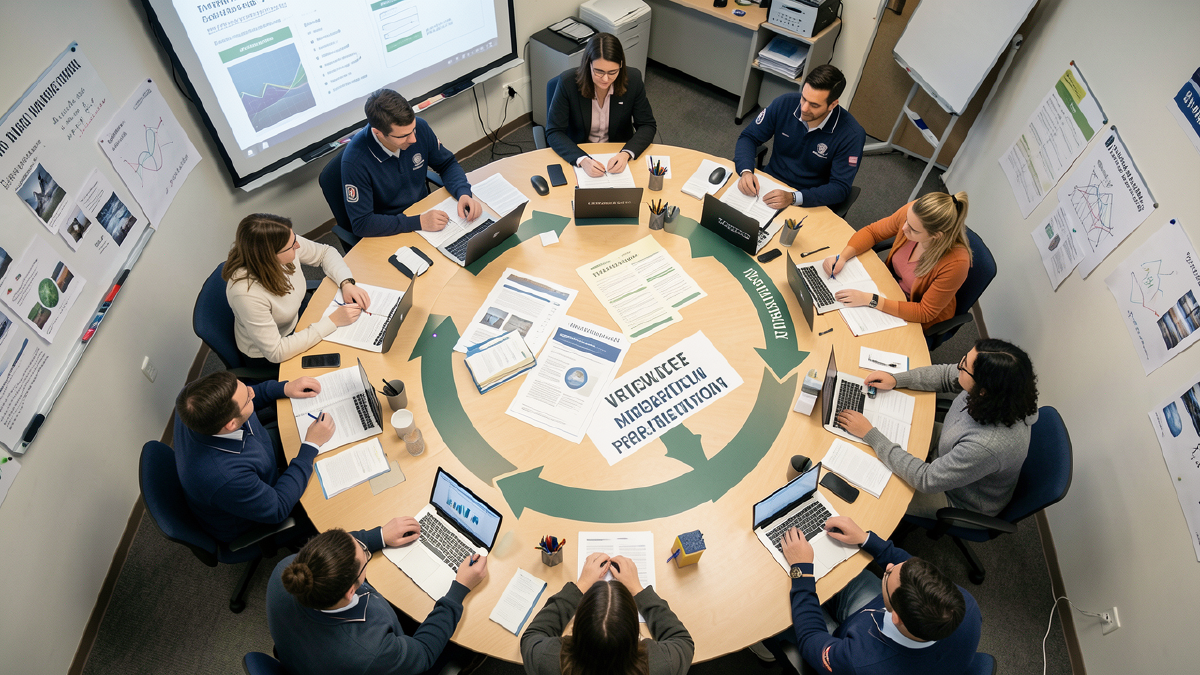
The virtuous cycle is significant. An expansion adult facing work requirements enrolls in navigator training. The 120 to 160 training hours count toward compliance. Upon completion, they work as a navigator, with employment hours continuing to satisfy requirements. Their work helps other expansion adults maintain coverage. Some of those helped pursue navigator training themselves. Each trained navigator both satisfies their own requirements and builds capacity serving others. If 100,000 expansion adults complete navigator training over the first two years and each subsequently helps an average of 50 people navigate requirements, total navigation assistance reaches 5 million people. The investment in training those 100,000 individuals generates returns extending far beyond individual compliance or employment outcomes.
Navigator training covers multiple competency domains: Medicaid eligibility and enrollment, work requirement specifics including qualifying activities and exemption categories, documentation and verification skills, trauma-informed communication and cultural competency, and professional boundaries and ethics. This curriculum produces skills immediately applicable to employment in healthcare navigation, social services, community health work, and related fields. The training represents genuine human capital development with clear labor market value.
Training delivery can occur through multiple institutional pathways. Community colleges already offering community health worker certificate programs provide academic credit potentially stackable toward associate degrees and established verification infrastructure. Workforce development programs through WIOA infrastructure connect training to employment services, potentially linking graduates directly to navigator positions. Community-based organizations can deliver training embedded in the communities navigators will serve, where trainees share language, culture, and lived experience with future clients. Online and hybrid models extend access beyond physical locations, serving expansion adults managing competing obligations.
Volunteer training raises distinct policy questions. Not everyone completing navigator training will work as paid navigators. Many will volunteer through faith organizations, community groups, or informal networks. The argument for counting volunteer training recognizes that training constitutes genuine educational activity regardless of how skills are subsequently used. The argument against notes that work requirements aim to promote self-sufficiency through employment. A balanced approach counts volunteer training hours as qualifying educational activity while expecting subsequent volunteer service to count under standard volunteer hour provisions.
Job readiness programs occupy essential space between foundational education and vocational training. Programs teaching workplace communication, professional norms, time management, conflict resolution, and industry-specific expectations prepare people for employment without providing traditional credentials. These soft skills represent genuine barriers to employment: employers consistently rank them among top concerns about hiring. Training addressing these barriers should count as qualifying educational activity, though states need frameworks distinguishing substantive programs from token orientation sessions.
Employer-provided training adds another dimension. When Amazon warehouse training, Walmart associate development, or healthcare system orientation programs are structured as educational activity with identifiable learning objectives, they serve dual purposes: preparing employees for effective performance while satisfying compliance requirements during training periods. Large employers with established training programs can verify these hours through existing human resources infrastructure. The distinction between training and routine work matters, however, and relabeling ordinary job tasks as “training” would undermine verification integrity.
The strategic implication is that navigator training represents perhaps the highest-value educational pathway for work requirement infrastructure because it simultaneously satisfies individual compliance, builds labor market skills, and creates system capacity serving the broader expansion adult population. States should actively promote navigator training as a compliance pathway, ensure training programs are accessible and affordable, and create employment pathways connecting trained navigators to positions serving expansion adult populations. The policy goal is not just individual compliance but system capacity, and navigator training serves both simultaneously.