Executive Summary: The Chronically Comorbid Employee: When the Plan Is Designed for Events and the Member Has Conditions
ADJ.10 — Adjacent#
Among midlife adults aged 35 to 64, 78.4 percent reported one or more chronic conditions in the CDC’s 2023 Behavioral Risk Factor Surveillance System data. The standard level funded plan was designed for the acute event, not for the employee who needs the plan every month to fill prescriptions that prevent events. The standard plan punishes adherence.
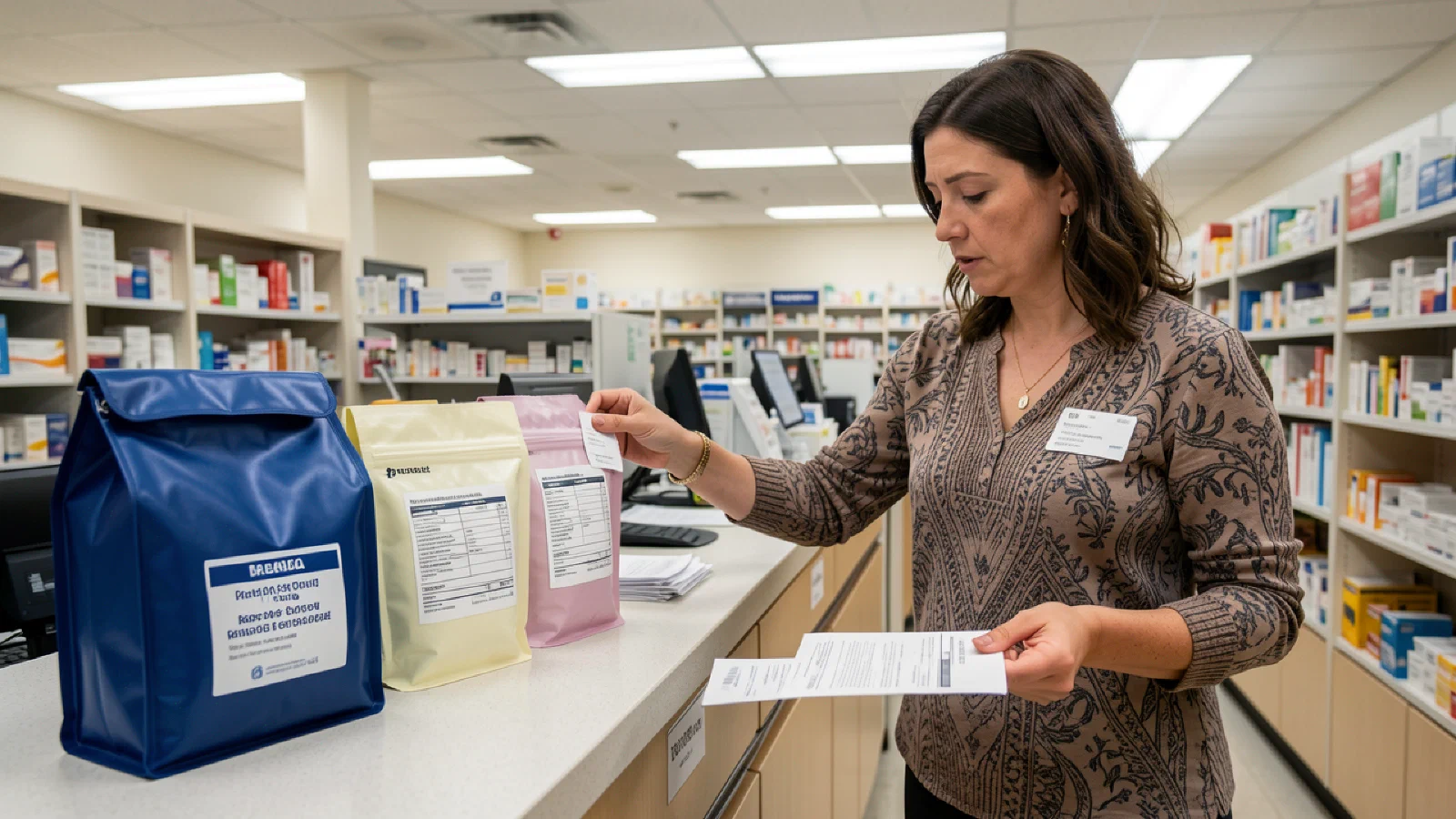
A diabetic employee on metformin, lisinopril, and a statin fills three prescriptions every 30 days. At retail pricing before a $2,000 to $3,000 deductible clears, the monthly pharmacy cost is $40 to $400. An employee earning $42,000 annually cannot absorb $200 per month in pharmacy costs in January while the deductible accumulates. The RAND Health Insurance Experiment (Manning et al., 1987) demonstrated that cost-sharing reduces necessary and unnecessary care proportionally, and that the reduction is most harmful for lower-income individuals with chronic conditions. The diabetic employee who stops taking metformin due to Q1 cost-sharing presents with uncontrolled A1c in Q3 and generates an emergency department visit or a stop-loss-level claim in Q4. The plan paid nothing for the $40-per-month generic that would have prevented the $85,000 inpatient admission.
Three specific design decisions change this. First, zero-deductible carve-outs for chronic disease medications: diabetes medications, antihypertensives, statins, antidepressants, and maintenance inhalers covered at zero cost-sharing regardless of deductible status, specified in the plan document and implemented in TPA claims adjudication logic. Second, DPC membership at $75 to $150 per member per month alongside the level funded plan, providing the proactive medication management and 30- to 60-minute appointments that prevent complications before they generate claims. Third, structured disease management programs such as Virta Health for type 2 diabetes reversal, with published outcome data showing measurable reduction in pharmacy spend. Investing $300 to $500 per member per month in a disease management program for identified high-risk members is investing against a stop-loss claim that costs $250,000 when it arrives.