Executive Summary: Salesforce and the Integration Problem: The Wrong Architecture and the Workarounds That Make It Worse
LFP-13.02 — The Technology Gap#
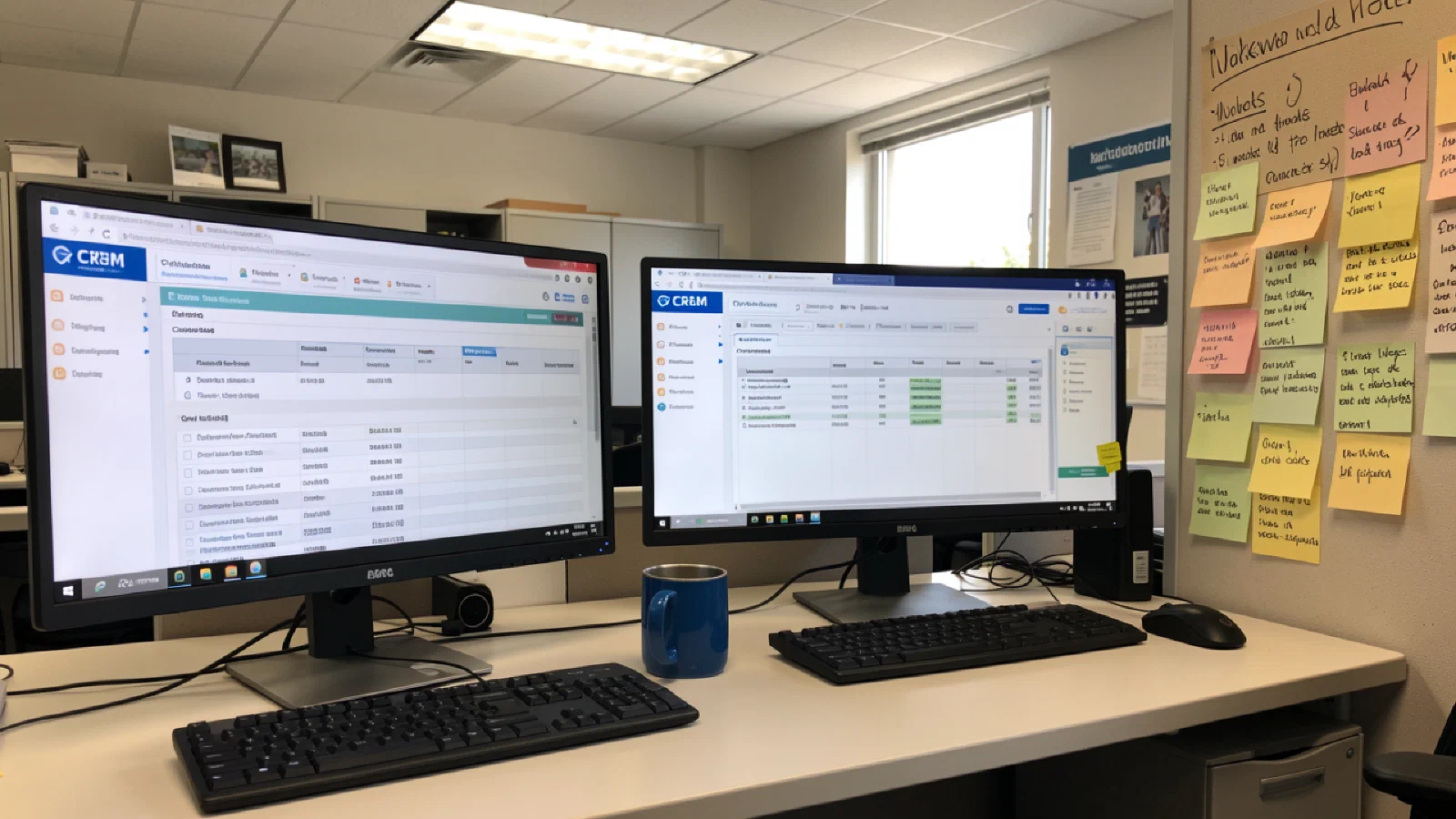
Salesforce is a customer relationship management platform built around leads, opportunities, accounts, and sales pipelines. A significant number of mid-market TPAs use it as their operational backbone, extending it beyond CRM into eligibility tracking, stop loss coordination, compliance workflows, and employer reporting. The result is a system where broker relationship management works adequately and everything else runs through custom objects, Apex triggers, and integration middleware that compounds complexity with every new capability added.
The expansion followed a predictable path. The TPA needed broker and account management. A consulting partner implemented Salesforce. Then plan lifecycle tracking was added through custom objects, followed by eligibility management, stop loss coordination, and compliance workflows. Each layer extended the platform further from its designed purpose. Four specific integration failures result. Plan lifecycle management fails because Salesforce’s pipeline architecture moves toward a single close event, while a plan lifecycle is cyclical with multiple concurrent states. Eligibility event processing fails because complex COBRA workflows exceed what custom objects and Apex triggers can handle reliably. Stop loss financial tracking fails because Salesforce’s native financial logic was built for revenue forecasting, not actuarial accumulation. Integration middleware, including MuleSoft (acquired by Salesforce in 2018 for $6.5 billion), adds a maintenance layer that breaks when either the CRM platform or the connected operational systems update.
Each failure produces a workaround. The benefits administrator running Friday reconciliations. The stop loss coordinator maintaining a parallel spreadsheet. The IT administrator writing custom data extracts. The workarounds accumulate over years into hundreds of custom objects, dozens of Apex triggers, and scores of process automations with interdependencies understood by a shrinking number of people. The complexity tax manifests in every new capability the TPA attempts: a cost management routing feature returns an estimate of six months and a quarter million dollars, and the TPA decides it is too expensive. The technology architecture has constrained the business strategy.
The lock-in is self-reinforcing. Each year adds more custom objects, more data, and higher migration costs. The incremental cost of one more workaround is always lower than the total cost of replacing the platform. The appropriate architecture uses Salesforce for CRM and purpose-built systems for eligibility, stop loss, claims workflow, and compliance. The cost of that migration is real. The cost of not migrating is the capability ceiling that no amount of additional Salesforce configuration can lift.