Executive Summary: Robotics and the Blue-Collar Parallel: What Automation Means for the Industries Level Funded Serves
LFP-12.03 — The AI Disruption#
The AI disruption to employment is a white-collar story in the near term. Robotic automation in physical industries operates on a longer timeline, constrained by capital expenditure cycles, environmental variability, regulatory certification requirements, and labor organization in some sectors. But the directional outcome is identical: fewer full-time employees per unit of business output, workforces shrinking toward or below the viable threshold for group health coverage. For a TPA whose book is concentrated in the blue-collar industries where level funded adoption has grown, the robotics timeline is the relevant planning horizon.
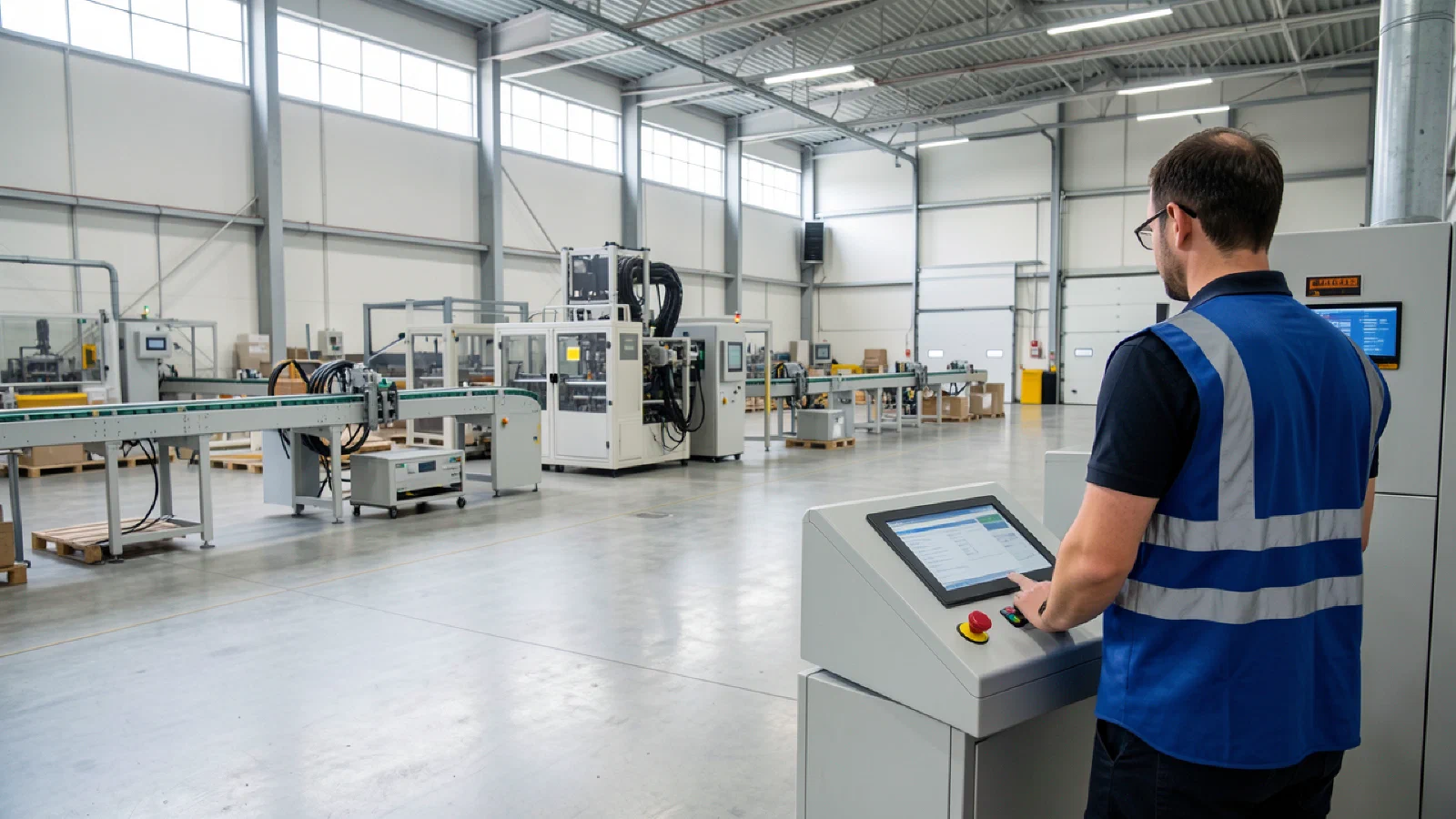
In construction, autonomous grading and excavation equipment is operational beyond pilot projects, drone site surveying is standard in larger commercial projects, and robotic concrete finishing and modular prefabrication are in commercial deployment. A commercial project that previously required 35 workers may require 22. In landscaping, autonomous commercial mowing is in active deployment. A landscaping company that employed 15 workers managing conventional equipment may employ 9 or 10 managing autonomous systems. The IFR World Robotics Report 2024 documented an operational stock of 4.28 million industrial robots globally, up 10 percent year over year, with collaborative robot systems now priced for small and mid-size manufacturers. A 20-person metal fabrication shop can acquire cobot systems that reduce headcount per unit of output by 15 to 30 percent over a technology refresh cycle.
Automation does not eliminate the workforce. It changes its composition: fewer manual laborers, more equipment operators and maintenance technicians. Total headcount per employer declines. The employer that previously employed 30 people now employs 18. The one employing 18 now employs 11. The one employing 11 now employs 7, which is below the threshold where most stop loss carriers provide competitive quotes and where actuarial stability degrades sharply. Additionally, maintenance and servicing work is frequently performed by contract workers employed by the equipment vendor or a specialized contractor rather than by the operating company, externalizing employment that might otherwise have contributed to group coverage eligibility.
The slower blue-collar timeline does not change the direction. A TPA whose book includes construction companies, landscaping firms, and regional manufacturers is watching the average group size in each employer category drift downward on a timeline that is foreseeable from current adoption data. The response requires anticipating the trajectory and investing in pooling structures that extend the viable range downward before the erosion reaches the current book’s core.