Series
Ancillary and Supplemental Benefits
Most benefits packages are assembled by accumulation rather than by design. Series 11 tests each ancillary component against a single standard: does it connect to the level funded core in a way that produces measurable value, or does it sit alongside the plan as an enrollment material addition? Eight components face the test. The final article builds three population-specific configurations from the results.

LFP-11.01
Dental Benefits in Level Funded: Bundled, Carved Out, or Left to the Employee
Periodontal disease progression predicts cardiovascular and diabetes complications with documented odds ratios. A TPA that links dental claims to medical risk stratification …

LFP-11.02
Vision Benefits: What Employers Offer, What Members Use, and Whether It Belongs in the Plan
Retinal imaging can detect diabetic retinopathy and hypertensive vascular changes before symptoms appear. The clinical screening value is real and largely unrealized: standard TPA …

LFP-11.03
The SDOH Gap in Level Funded Plan Design: What Claims Data Shows and What Plan Sponsors Ignore
Repeated emergency department visits for conditions manageable in primary care, prescription fill gaps on maintenance medications, recurring acute episodes in diabetics whose …

LFP-11.04
Direct Primary Care Layered Into Level Funded: The Integration That Works and the One That Is Marketing
Adding DPC alongside an unchanged level funded plan adds cost without capturing savings. Structural integration requires a higher deductible reflecting DPC access, member routing, …
LFP-11.05
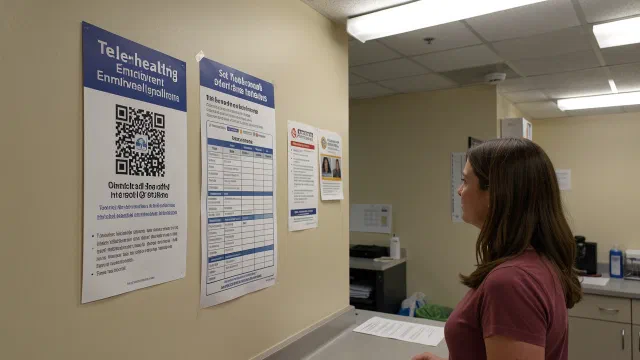
Telehealth in Small Group Plans: Utilization Data, Cost Impact, and What Members Actually Use
Behavioral health accounts for 67 percent of telehealth encounters and the substitution effect is real. For acute minor illness, the cost differential between telehealth and …

LFP-11.06
EAP and Wellness Programs: What Actually Reduces Claims vs. What Looks Good in Enrollment Materials
RAND's study of 600,000 employees found disease management reduced claims; lifestyle wellness components showed no statistically significant impact. A randomized trial by Song and …

LFP-11.07
Pharmacy Benefit Design: PBM Relationships, Formulary Strategy, and the Small Group Disadvantage
CVS Caremark, Express Scripts, and OptumRx serve small groups on terms they do not negotiate: spread pricing, retained rebates, formularies optimized for PBM revenue. Transparent …
LFP-11.08
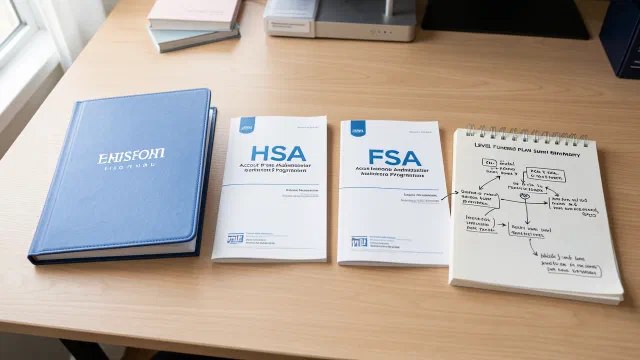
HSA, HRA, and FSA Integration: Tax Advantaged Structures and Their Interaction With Level Funded Plan Design
An income-adjusted HRA can fund $2,000 for a $40,000-per-year worker and nothing for a $120,000 manager on the same plan design. A general purpose FSA and an HSA cannot coexist …

LFP-11.09
Designing a Whole Person Benefits Strategy Around a Level Funded Core: What the Best Small Employers Do Differently
Three employer configurations share one principle: each component earns its place by connecting to the level funded core. The professional firm integrates DPC and a transparent …