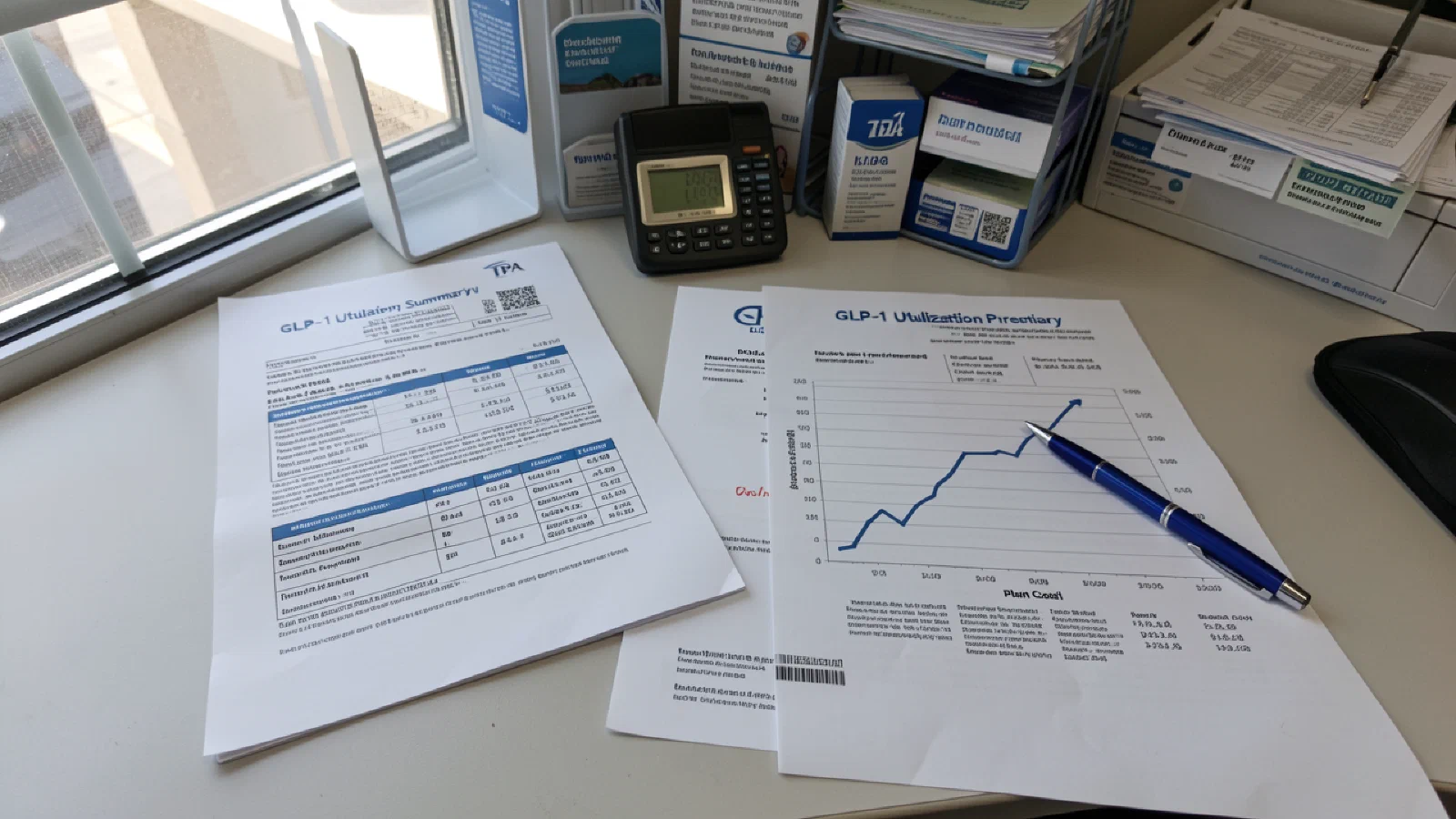
Executive Summary: GLP-1 Drugs: Ozempic, Wegovy, and the Demand That Is Not Going Away
LFP-09.03 — The Cost Drivers#
Wegovy lists at $1,349 per month. Ozempic lists at $1,028. At $12,000 to $16,000 annually per member on therapy, GLP-1 drugs add costs that small group plans never budgeted for. Three members on GLP-1 therapy in a 15-person plan add 15 to 20 percent to total expected claims. Two years ago, the coverage question was whether to include these drugs at all. The SELECT trial, published in the New England Journal of Medicine in November 2023, ended that debate. Semaglutide 2.4 mg weekly reduced major adverse cardiovascular events by 20 percent in adults with cardiovascular disease and obesity without diabetes. A drug with documented mortality reduction is not a lifestyle medication. The coverage question shifted from whether to how.
Demand is large and growing. The CDC reports that 42 percent of U.S. adults meet the clinical definition of obesity. Among the commercially insured, Evernorth’s 2025 Pharmacy in Focus report documented that nearly one-third of households reported GLP-1 use. Utilization for weight loss is projected to increase 73.1 percent by the end of 2025. GLP-1 drugs accounted for 29 percent of total net drug spending growth in 2024, single-handedly driving traditional drug spending growth from 2.1 percent in 2021 to 12.8 percent in 2024. In February 2026, Novo Nordisk announced a 50 percent reduction in Wegovy’s list price and a 35 percent reduction for Ozempic, effective January 1, 2027, setting a uniform list price of $675 per month. The 2027 reduction lowers the annual per-member cost to approximately $8,100, meaningful but not resolution.
The cost structure differs from specialty drug exposure in one critical way. GLP-1 prescriptions at $12,000 to $16,000 annually fall well below the $50,000 to $100,000 specific stop loss attachment point typical for small groups. The cost erodes the claims fund without triggering catastrophic protection. Three members on GLP-1 therapy add $36,000 to $48,000 in annual pharmacy claims that compress the aggregate corridor and contribute to renewal repricing without ever breaching any individual specific deductible. The cost is permanent, not episodic. It does not resolve when the plan year ends.
Plan design can manage GLP-1 utilization without eliminating the exposure. Prior authorization tied to FDA-approved clinical indications prevents off-label use. Step therapy requiring metformin trial before approval for diabetes indications ensures lower-cost options are exhausted first. Outcomes tracking, requiring documented 5 percent weight loss or A1c improvement at 12 weeks, limits continued coverage to members who respond. Pharmacy channel optimization through specialty pharmacy rather than retail produces modest savings. Building these mechanisms at the TPA level, applied consistently across a book of hundreds of small groups, produces economies no individual employer can achieve. The structural problem remains: a drug with this pricing profile, this demand trajectory, and no generic competition before the early 2030s represents a permanent baseline increase in small group plan costs. Plan design manages the increase; it does not solve it.