Executive Summary: Access Barriers: Rural Networks, Language, and the Members the System Was Not Built For
LFP-06.07 — The Populations#
Coverage and access are not the same thing. A worker in the Rio Grande Valley with an insurance card and a leased PPO network that places the nearest in-network primary care physician accepting new patients 47 miles away has coverage. She does not have access. The plan document does not register the difference.
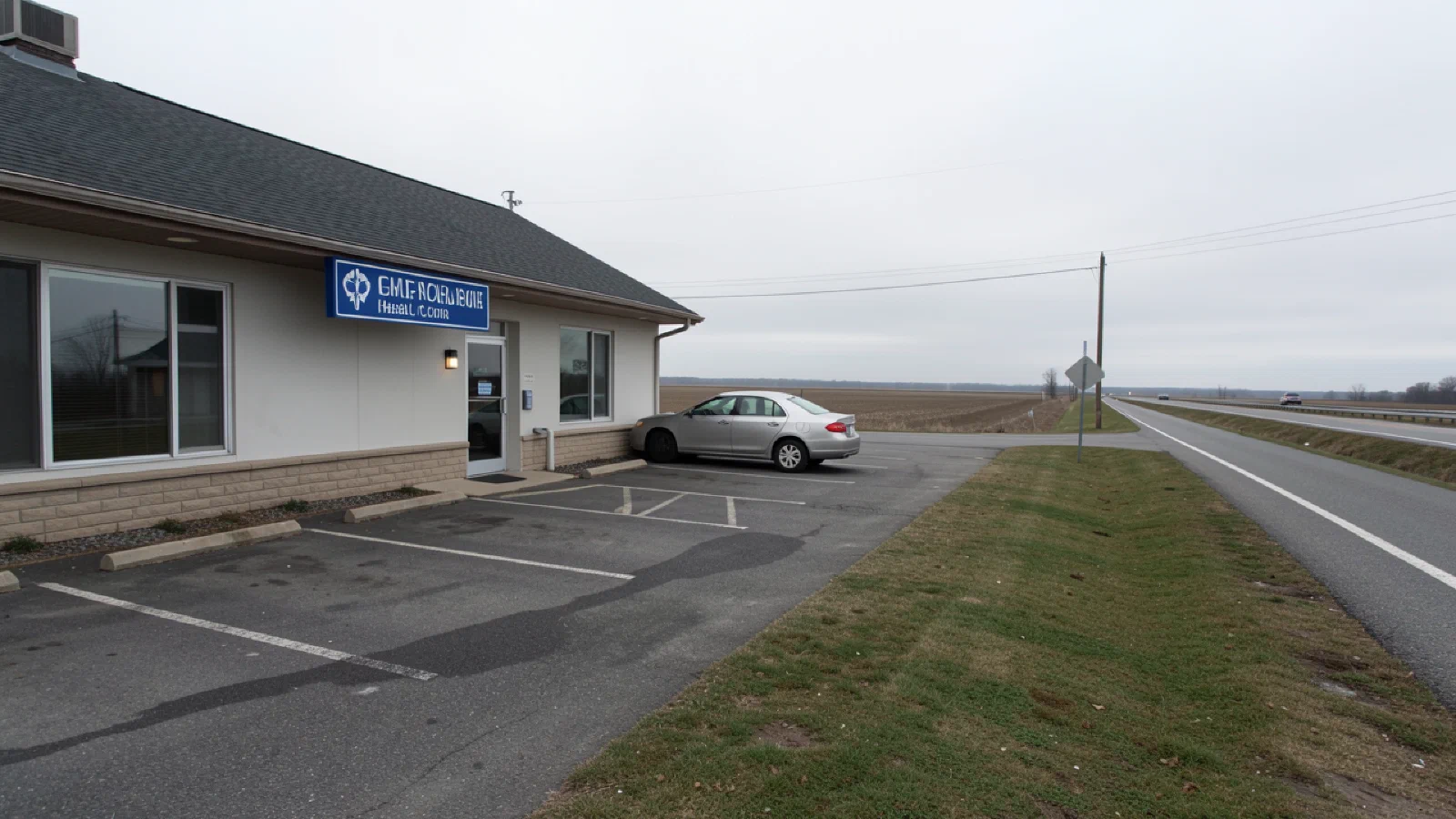
The network was not designed for her. Leased PPO networks are built for metropolitan areas. The same network that provides 40 participating physicians within 15 miles in Phoenix has two or three in a rural county two hours from the nearest specialist. The Health Resources and Services Administration designates Health Professional Shortage Areas based on population-to-physician ratios. The Rio Grande Valley counties of Starr and Hidalgo carry HPSA designations, with ratios that can exceed 3,500 to 1 against a national average of approximately 1,320 to 1.
Provider directories compound the problem. An AMA and CAQH joint study found approximately one-third of a sample of 120 provider listings across 12 health plans contained inaccuracies — disconnected phone numbers, providers not accepting new patients, incorrect specialty information. A 2022 Health Affairs study found that patients encountering directory inaccuracies were four times more likely to receive a surprise out-of-network bill. CMS requires qualified health plans on the ACA marketplace to meet network adequacy standards under 45 C.F.R. § 156.230. Level funded plans operating under ERISA face no equivalent federal requirement. The plan document may promise network access. No regulator tests the promise.
The language barrier operates in parallel. The Census Bureau’s American Community Survey shows that 26.4% of workers in home health care report speaking a language other than English at home; in food services, 23.1%; in agriculture, 31.7%. Plan documents, SBCs, EOBs, prior authorization forms, denial notices, and appeal procedures are produced in English. ERISA requires that summary plan descriptions be written in a manner calculated to be understood by the average plan participant, and DOL guidance calls for materials in the participant’s language where a significant portion of the population is literate only in another language. The guidance is not enforced as a mandate. A member who cannot read the denial notice cannot effectively appeal it, and the appeals clock runs regardless.
Adequate access requires multilingual member navigation with representatives who speak the languages prevalent in the workforce, telehealth infrastructure targeted at network-deficient counties, and provider directory standards that verify in real time whether listed providers are accepting new patients. None of these is standard in the leased PPO networks and TPA service models that small employer level funded plans currently use. The plan registers coverage. It does not register the member who cannot reach a provider.