Executive Summary: Employer Reporting: What Data Actually Reveals and What Most TPAs Hide Behind PDFs
LFP-05.06 — The Operational Reality#
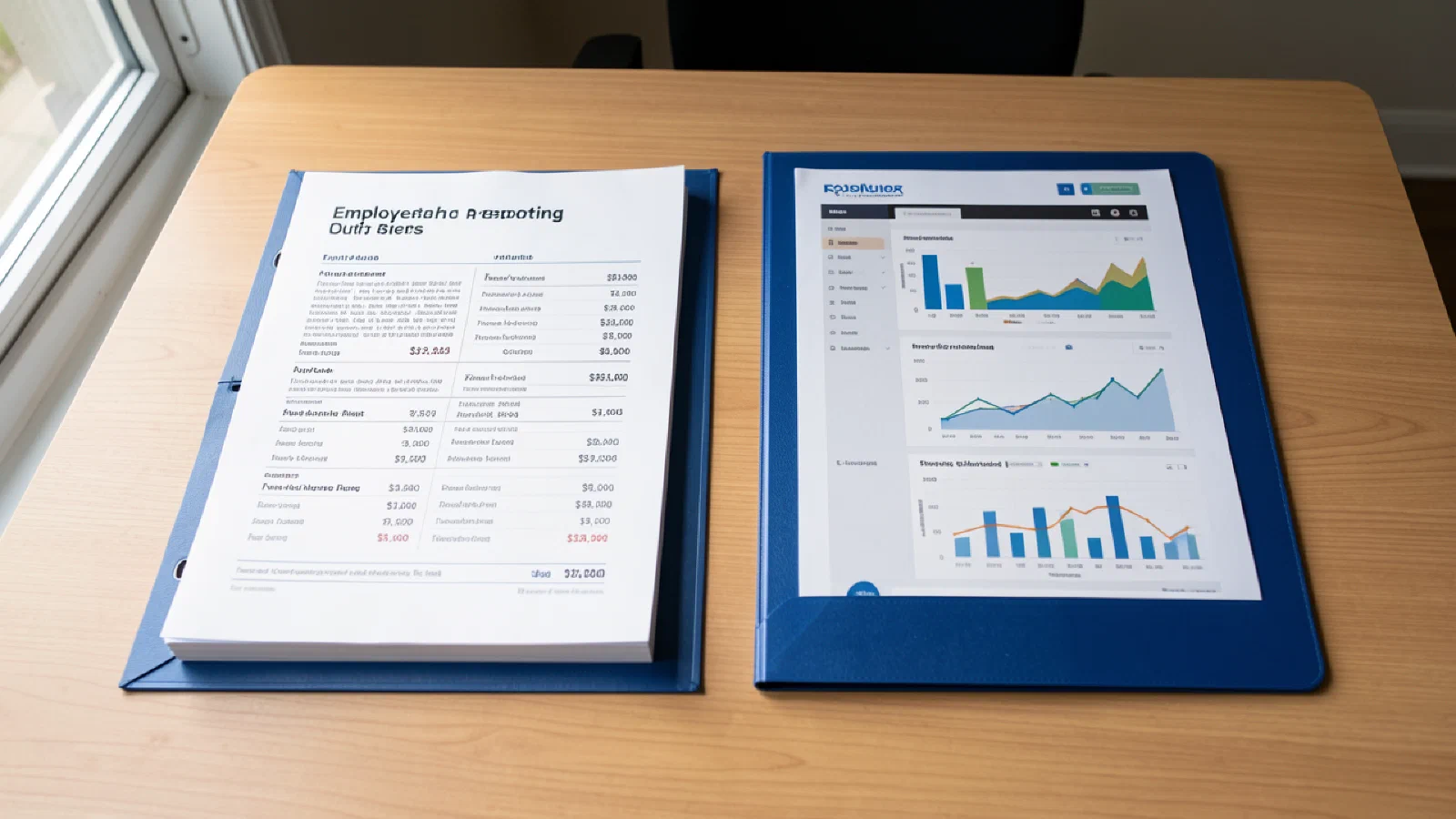
Employer reporting is where the level funded transparency promise either materializes or fails. The structural case for level funded includes data access: the employer sees claims experience, understands cost drivers, and makes informed plan management decisions. But transparency requires reporting that enables analysis. A monthly PDF with aggregate numbers is not transparency. An interactive dashboard with drill-down by member, provider, service category, and time period is transparency. The gap between what level funded promises and what most TPAs deliver is measured in reporting quality.
Complete reporting should cover claims summary with comparison to expected and trend over time, utilization by service category to identify patterns worth addressing, provider cost data showing which hospitals and physician groups generate the most spending, pharmacy utilization and cost by drug and therapeutic class, large claimant identification for members above a defined threshold, stop loss accumulator status showing each member’s progress toward the specific attachment point and aggregate progress toward the corridor, and a financial summary of the claims fund showing contributions in, claims out, and current balance. The employer who receives all of this monthly can manage their plan. The employer who receives a PDF summary sees what the TPA chooses to show in a format that prevents further analysis.
PDF reports share three structural limitations. They cannot be filtered or sorted: the employer sees the TPA’s predetermined summary, not the view they need to answer their own question. They often lack detail precisely where detail would be revealing: the TPA decides what to include, and aggregate numbers are safer than provider-level or member-level analysis that might expose performance problems. They cannot be used to build longitudinal trend views without manually extracting data from each monthly document, work most employers do not do.
Interactive reporting platforms provide dashboard access with real-time data that updates as claims process, drill-down capability from aggregate to individual claim level, filtering and sorting to let the employer ask their own questions, export capability for broker analysis or internal reconciliation, trend visualization showing patterns over time, and benchmark comparison against the TPA’s book average. The difference in decision-making capability is substantial. The employer with deep reporting can identify the high-cost provider to avoid, the pharmacy benefit to optimize, the wellness intervention to implement. The employer with shallow reporting observes aggregate trends without understanding causes.
Reporting quality should be a TPA selection criterion. Before placement, the broker and employer should request reporting samples and dashboard demonstrations. Specific reports required, frequency of delivery, format, and access method should be written into the TPA contract. The TPA that commits to specific reporting standards must deliver or face contractual consequences. Incentives favor opacity: the TPA performing poorly has every reason to provide aggregate summaries and no reason to enable the analysis that would expose deficiencies.